
AR
SEIZ BREUR
To invent a Breton modernity.
From drawing to furniture, from the workshop to the living environment.

ANOTHER ONE
IDEA OF
DAILY
Ar Seiz Breur — «the seven brothers» — refers to an artistic movement born in Brittany in 1923. Around Jeanne Malivel, René-Yves Creston and Georges Robin, artists and craftsmen sought to renew the decorative arts by drawing on Breton culture, without limiting themselves to the reproduction of old models.
Their ambition extends beyond the isolated object: furniture, textiles, ceramics, engravings, and books all contribute to the design of a living environment. DIZAGN examines furniture, its designs, and its manufacture, comparing the pieces with period documents and public collections.
Birth of the movement and shared projects.
L'Osté at the Brittany Pavilion, at the Paris Exhibition of Decorative Arts.
Furniture as a ground for renewing forms and decorations.
The group's collective history has come to an end; individual journeys continue.
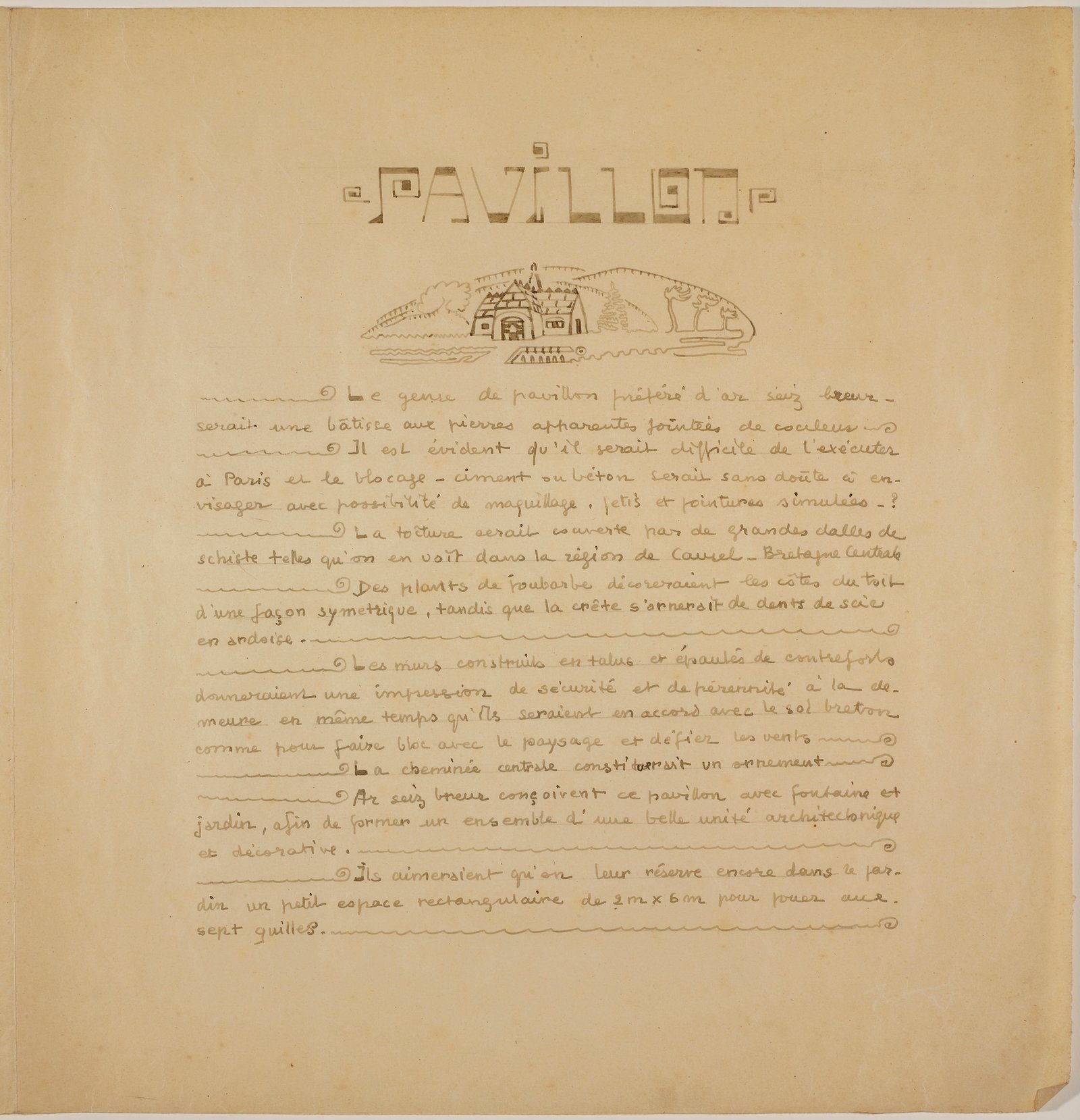

FURNITURE AS MANIFESTO
In 1925, the dining room at L'Osté gave concrete form to this research. The designs by Malivel and Creston were executed by Gaston Sébilleau's workshop. The clean lines, the clear joinery, and the simplified decoration offered a fresh perspective on regional furniture.
This collective creation necessitates a distinction between design and execution: a piece of furniture made by a workshop is not necessarily designed by its cabinetmaker. The study of documents, marks, and provenance allows us to clarify the role of each individual.
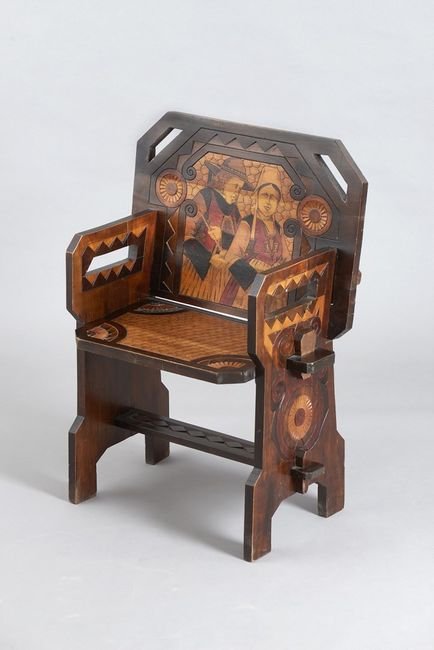
Three profiles open the dossier: Savina for the workshop and carved wood, Malivel for design and decorative arts, and Fouillen for modern furniture in Quimper. This last profile is presented within the context of the Breton revival, without conflating artistic proximity with a confirmed adherence to the Seiz Breur movement.
THE CREATORS

JOSEPH SAVINA
1901–1983 / TRÉGUIER
Carved wood, the workshop and collaborations: a cabinetmaking business between regional heritage and invention.
READ THE BIOGRAPHY ↗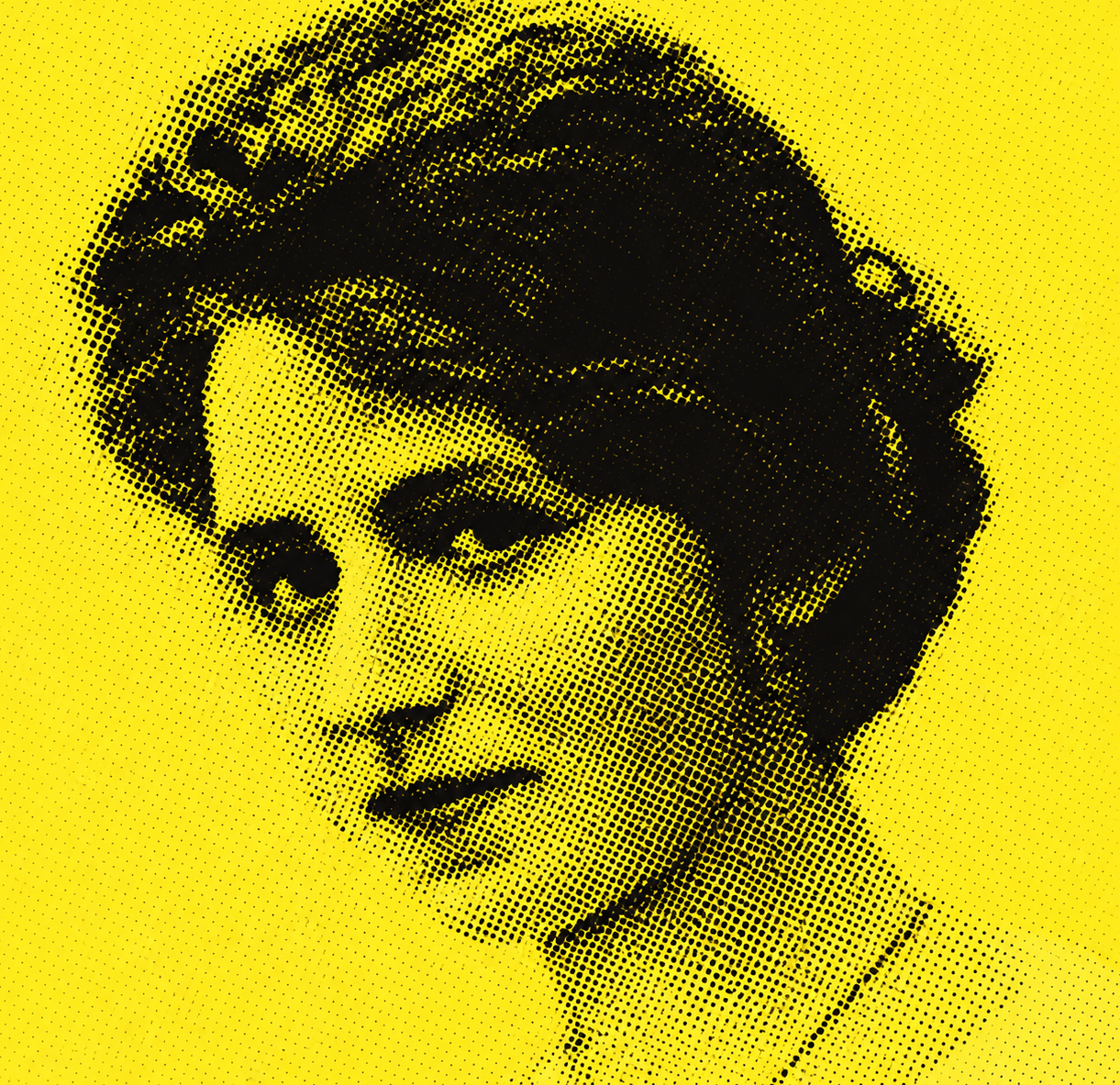
JEANNE MALIVEL
1895–1926 / LOUDÉAC
Designing a living environment: from Osté furniture to textile patterns and engraving.
READ THE BIOGRAPHY ↗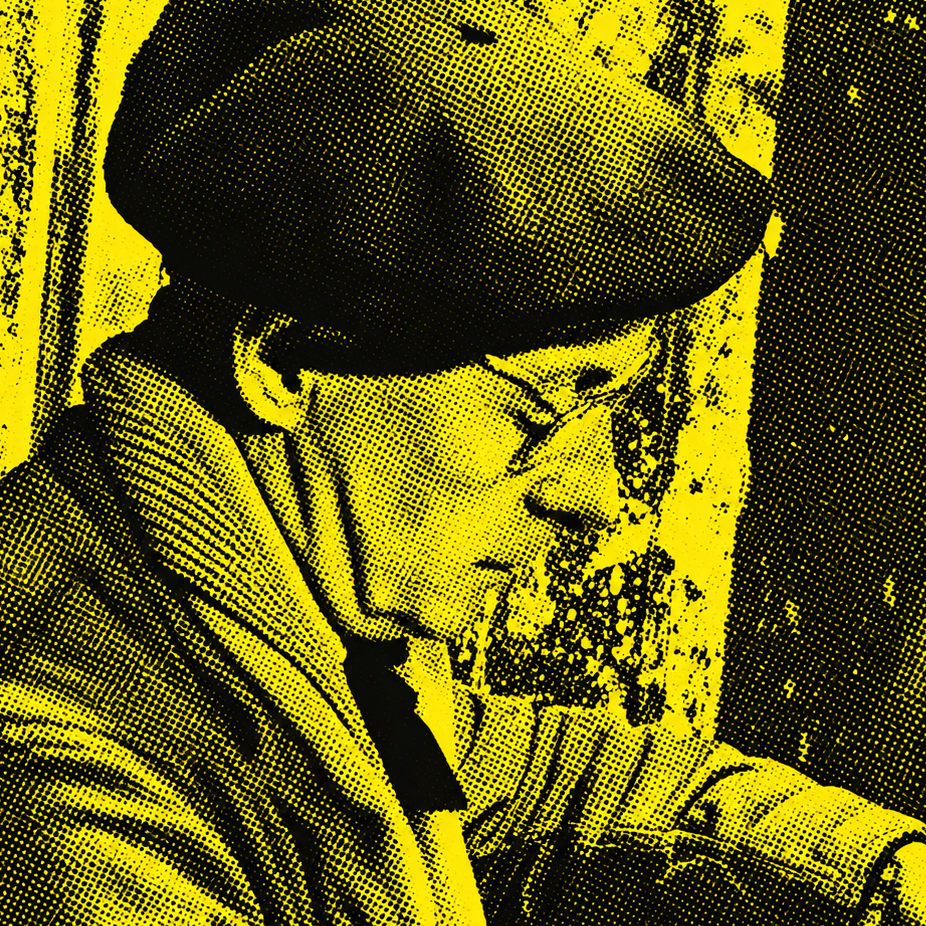
All rights reserved.
PAUL FOUILLEN
1899–1958 / QUIMPER
Demountable furniture, pyrography and painting wood: another path towards Breton modernity.
READ THE BIOGRAPHY ↗AR SEIZ BREUR,
ART FOR EVERYDAY LIFE
Founded in Brittany in 1923, Ar Seiz Breurwants to give a modern form to lifedaily. Its name, "the seven brothers",refers to a tale collected by JeanneMalivel. He does not specify the number ofartists associated with this adventure.Malivel, René-Yves and Suzanne CrestonThey are founding figures.The group combines design and know-how,by observing popular culture.Prints, textiles, ceramics and furniturethey share the same creative horizon.Old patterns become a pointstarting point for inventing, rather than adirectory to be reproduced exactly.In Paris, in 1925, the Osté projectfeatures a Breton dining room.This collective work fosters dialoguethe artists' design and workworkshops that produce the objects.
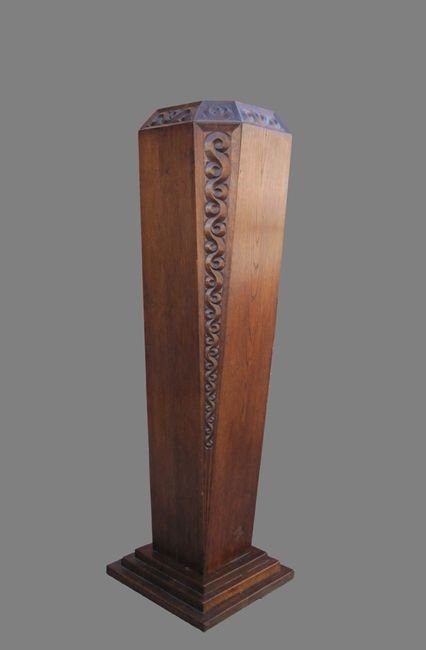
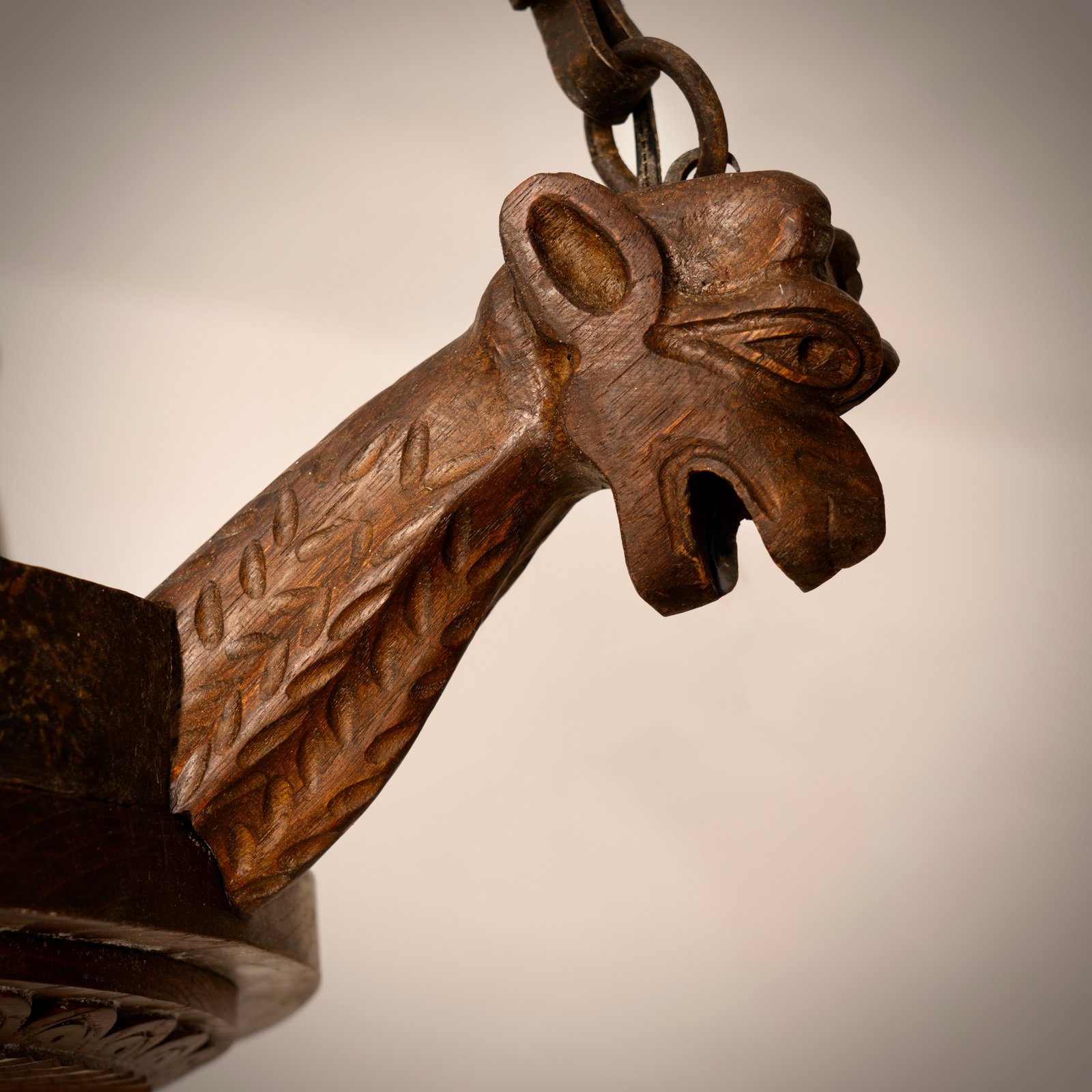
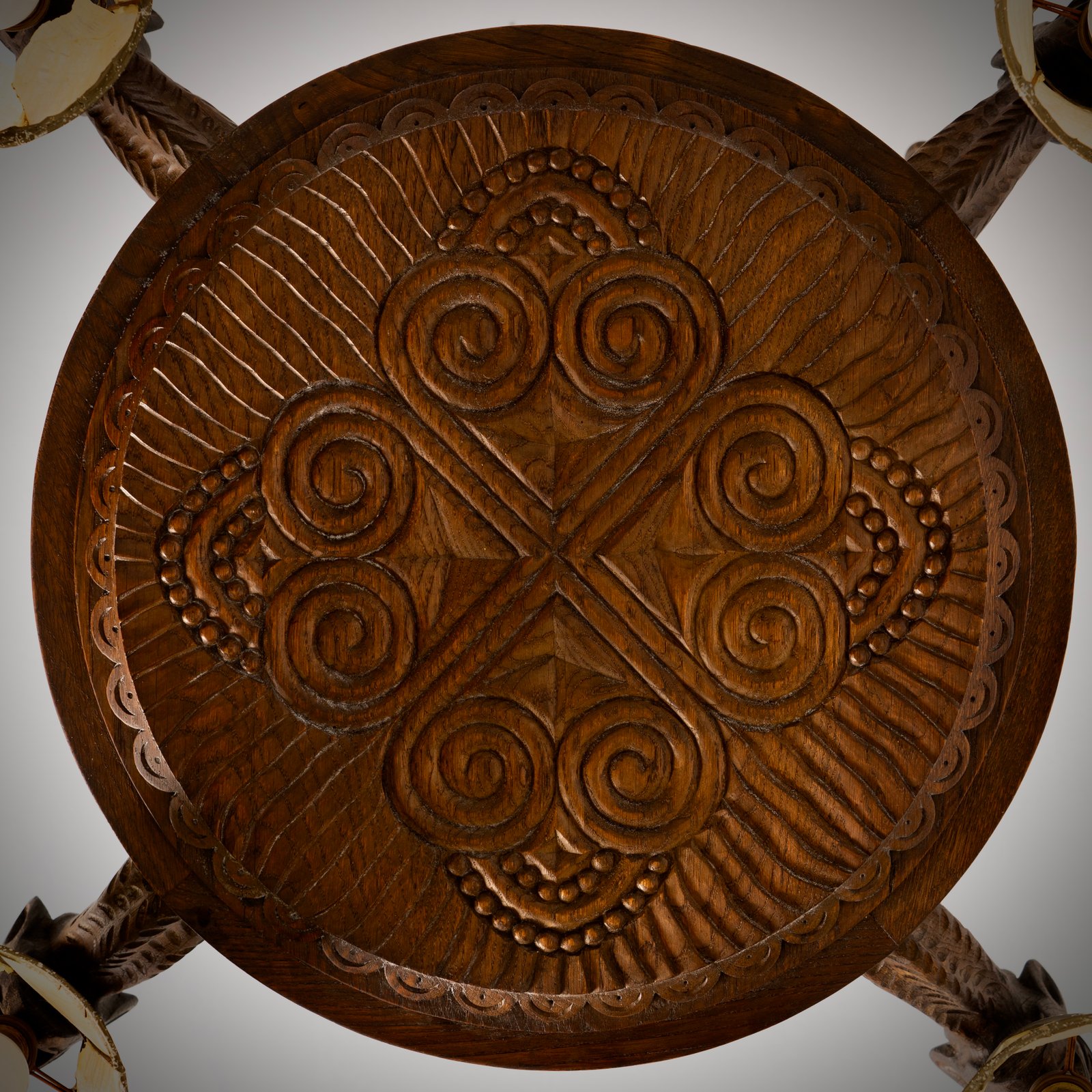
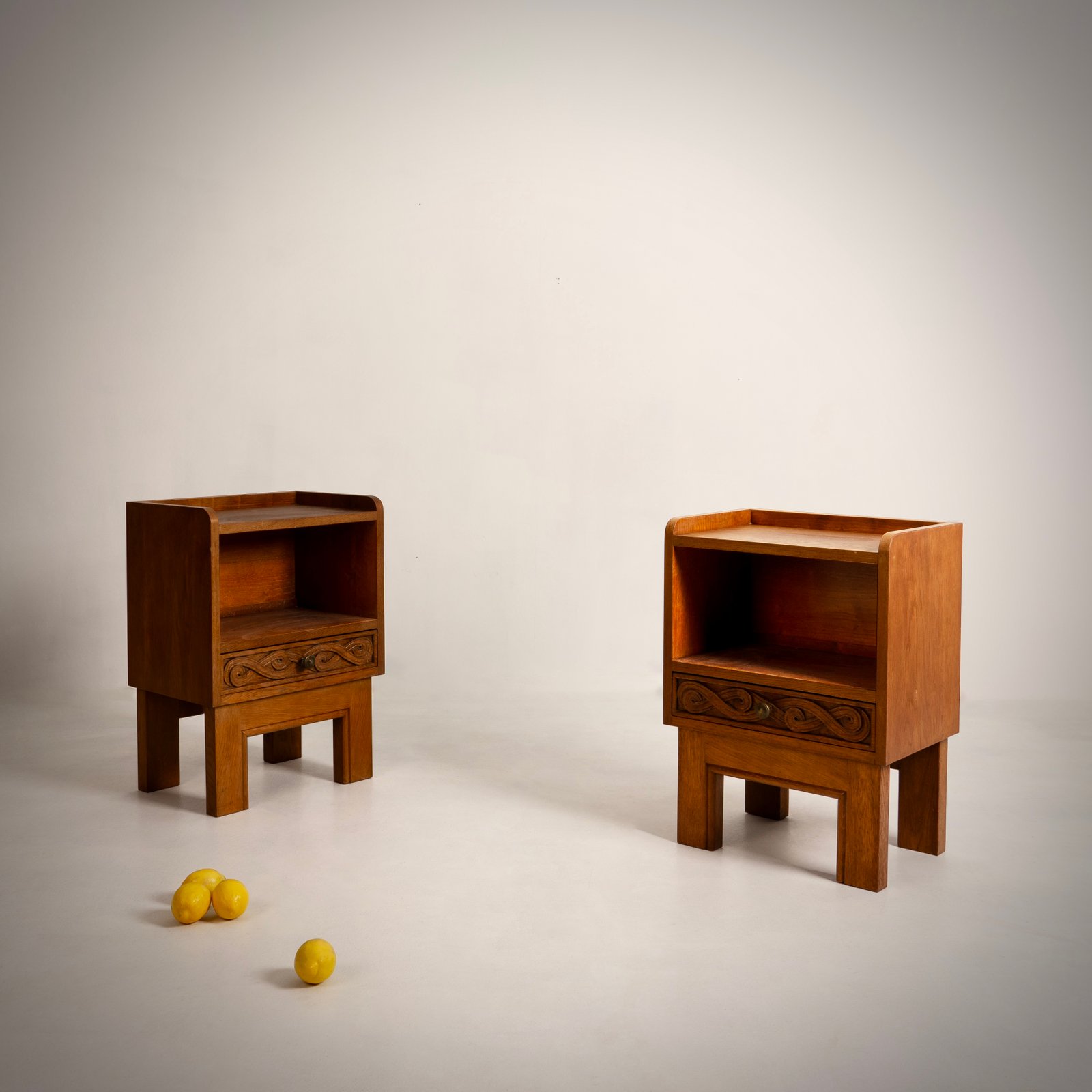
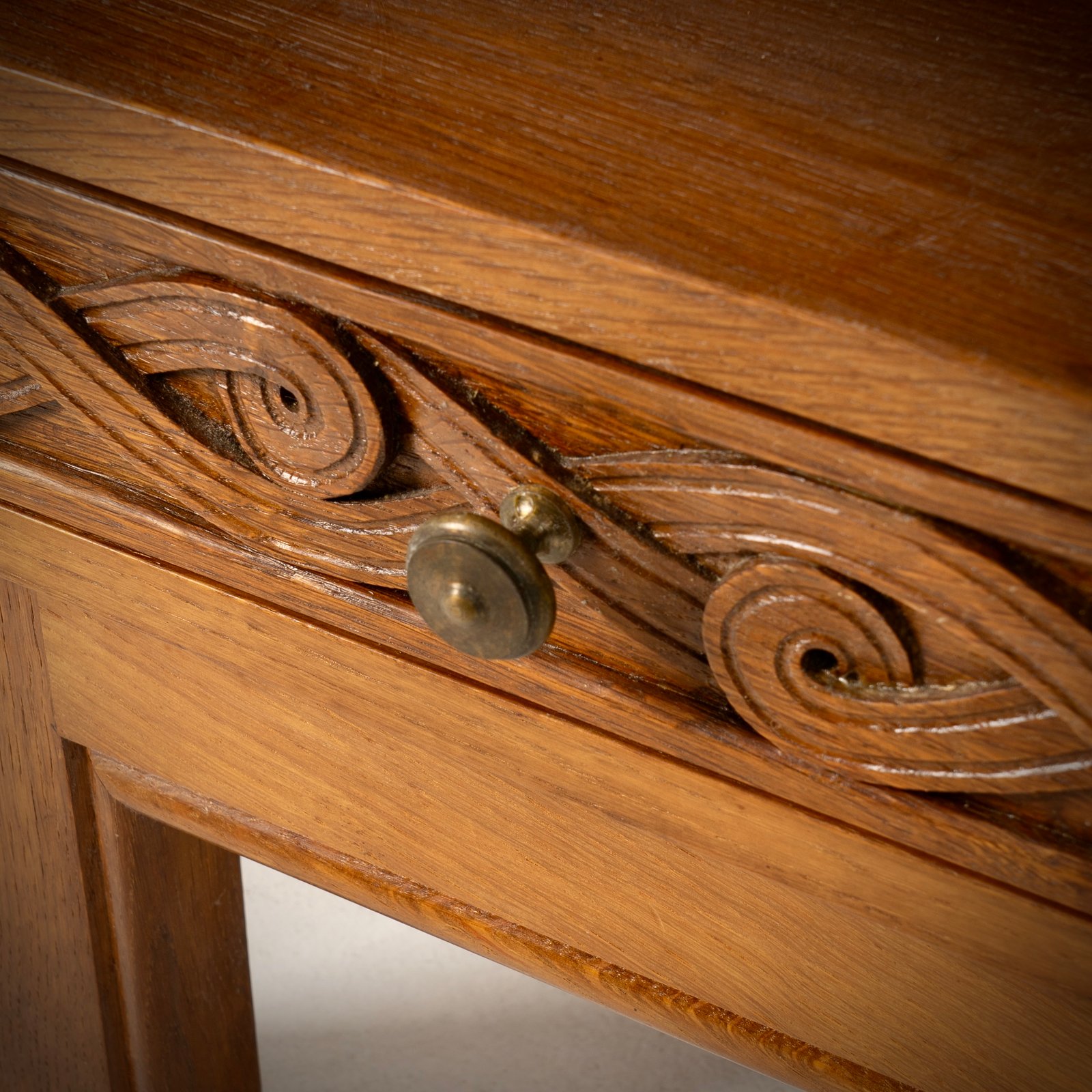
The furniture gives this ambition aconcrete dimension: living differently.The structure, proportions and decorare conceived together, on the scale of theroom like the one in the house.The carved wood features spirals,interlacing patterns and geometric shapes.This research is taking directionsdifferent depending on the workshops and theorders. Savina works with volume.and renews wood carving.Malivel thinks of furniture as a wholewhere fabrics and images have their place.In Quimper, Fouillen explores paintingand pyrography on furniture.The objects gathered by DIZAGN allowto compare these unique proposals.General view, detail and old documenttogether illuminate the material, the drawingand the uses of each implementation.
Ar Seiz Breur operates through meetings.,Exchanges and collaborations. Architects,painters, engravers and craftsmen contributeto the renewal of applied arts.A drawing can be entrusted to a workshop:design and manufacturing do not referSo it's not always the same person.Brands, archives and provenance helpto specify the allocation of the furniture.The exhibitions of 1925 and then 1937make this research more visible.Malivel's death in 1926 transformedthe group, whose momentum Creston is continuing.The war then weakens the networks; ;Their paths and commitments diverge.The collective history ends in 1947.,but the works and the workshops remain.Savina's collaboration with Le Corbusierin particular, it extends the work of volume.This legacy invites us to re-examine modernity.
A comparative reading of the catalogue Ar Seiz Breur 1923–1947 (2000), René Trotel's Le Mobilier Breton, and the monographs Paul Fouillen (1999) and Savina–Le Corbusier (2021). Full references at the end of the document.
SUZANNE CRESTON,
THE ARTS OF EVERYDAY LIFE
In a 2023 interview, art historian Pascal Aumasson emphasizes the essential role of Jeanne Malivel and Suzanne Candré-Creston. He describes the movement as a community open to personal expression, united by a Breton, modern, and popular ambition.
A fabric study by Suzanne, dated 1929, combines repeated curves, interlocking forms, and intense colors. Aumasson links her optical rhythm to the contemporary research of Robert and Sonia Delaunay. These fabrics extend into the domestic interior the reflection carried out on furniture and objects.
The simplification of decoration also permeates Malivel's tableware designs around 1925: peripheral motifs, a more limited palette, and attention to the handles. At Savina, the sideboard commissioned in 1936 by Yann Sohier's widow combines the Ar Falz emblem, decorative studs, and an Art Deco overhanging top. These examples demonstrate how the Seiz Breur transformed regional references into creations intended for everyday use.
The centenary also brought to light works preserved in family archives. An article from November 30, 2023, announced a presentation organized by Padraig Creston in Saint-Brieuc: some twenty pieces, including some previously unseen works, as well as studies and earthenware by Malivel. This account underscores the importance of private collections in documenting the diversity of the movement's research.
Source: Nadia Le Saux, Ouest-France, November 30, 2023, Article reprinted by the Friends of the Museum and Earthenware of Quimper.
Sources: Pauline Bourdet, Ouest-France, interviews with Pascal Aumasson, reprinted by the Friends of the Museum and Earthenware of Quimper: March 26, 2023 And April 16, 2023. For further information: Pascal Aumasson, Suzanne Candré-Creston, at the source of the Seiz Breur, Locus Solus, 2023.
THE DRAWING,
THE MATERIAL, THE USE
OTHER CREATORS
Portraits: reproductions provided and archives cited in the descriptions. All rights reserved. Monograms indicate portraits pending.

Jean Fréour
(1919–2010)

Xavier Haas
(1907–1950)
THE PART Christian
(1902–1944)
PHILIPPE Jacques
(1896–1958)
Sculptor-decorator · furnitureAndré and Valentine Branthomme
André (1926–2018)
Valentin (1897–1979)
RUAL Jorj
(1901–1986)
Cabinetmaker · Rennes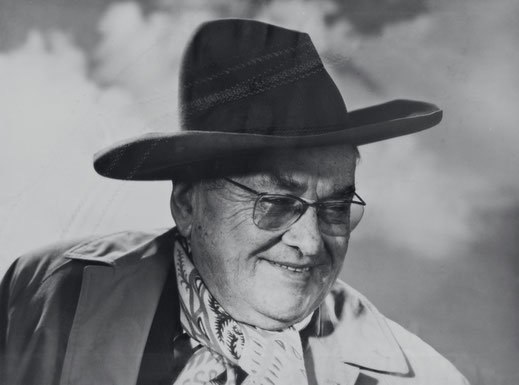
SÉVELLEC Jim-E.
(1897–1971)
Painter and decorator · furniture
CRESTON René-Yves
(1898–1964)
Artist, ethnologist · co-founder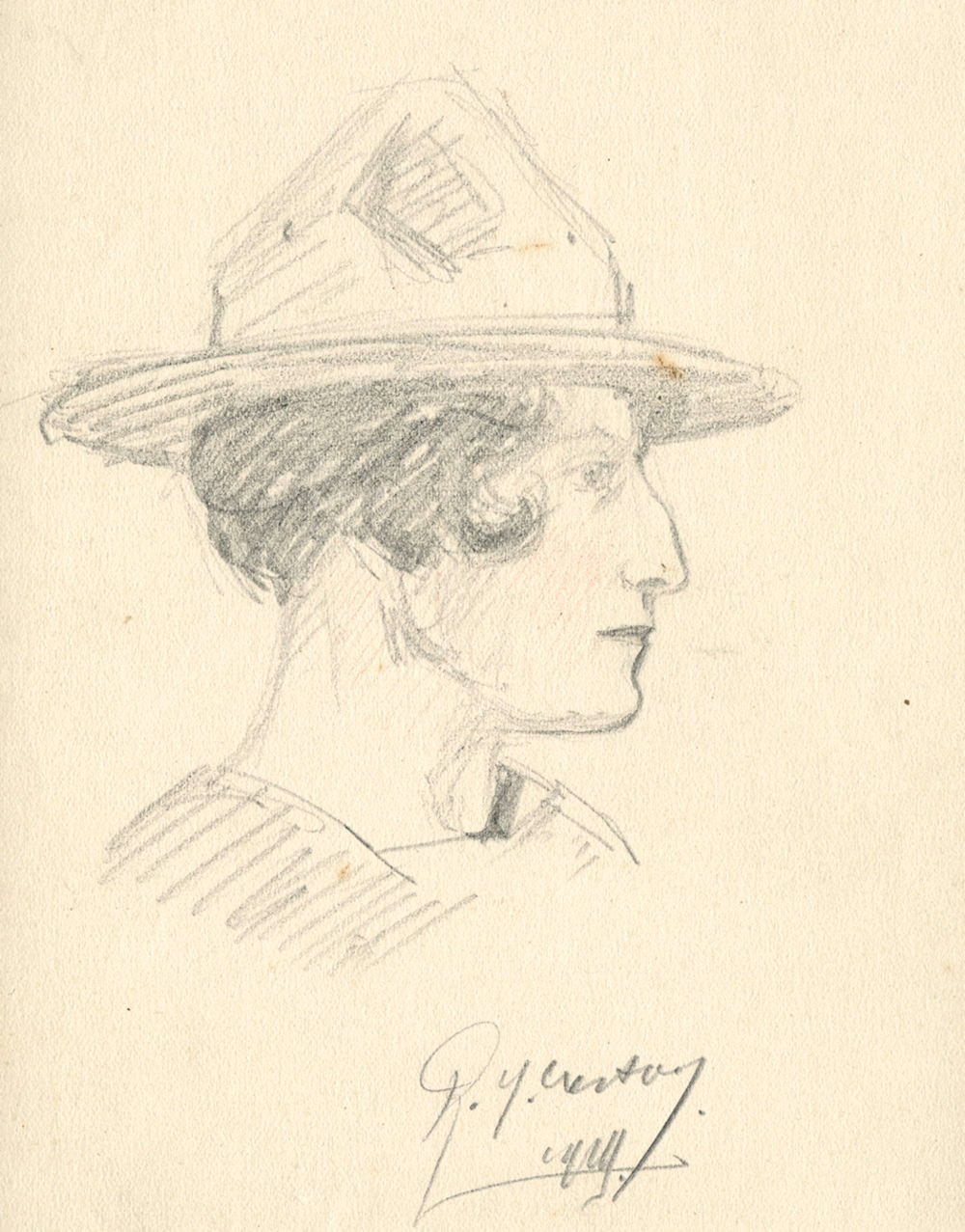
Suzanne CANDRÉ-CRESTON
(1899–1979)
Decorative Arts · Co-founder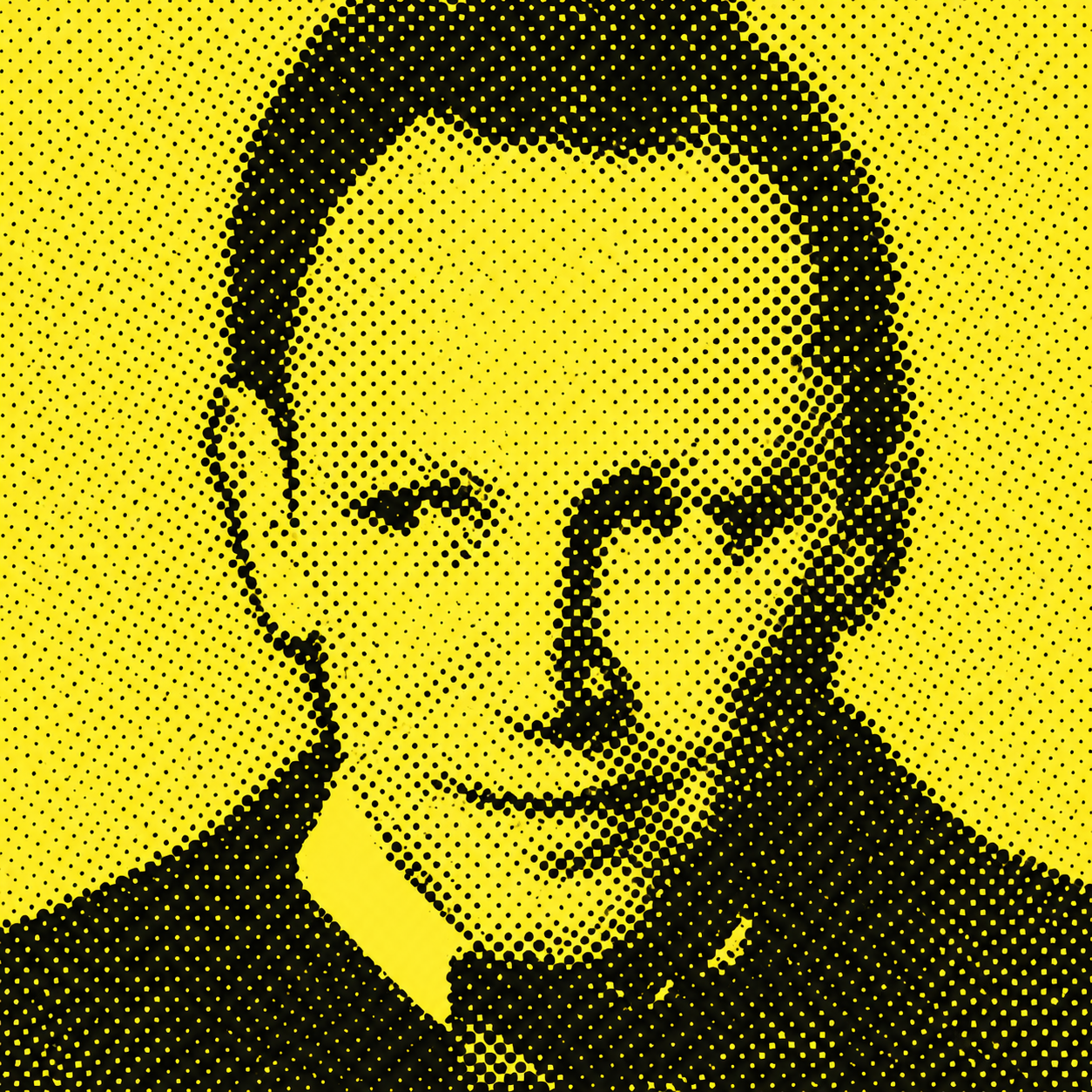
LANGLAIS Xavier de
(1906–1975)
Painter, engraver and writer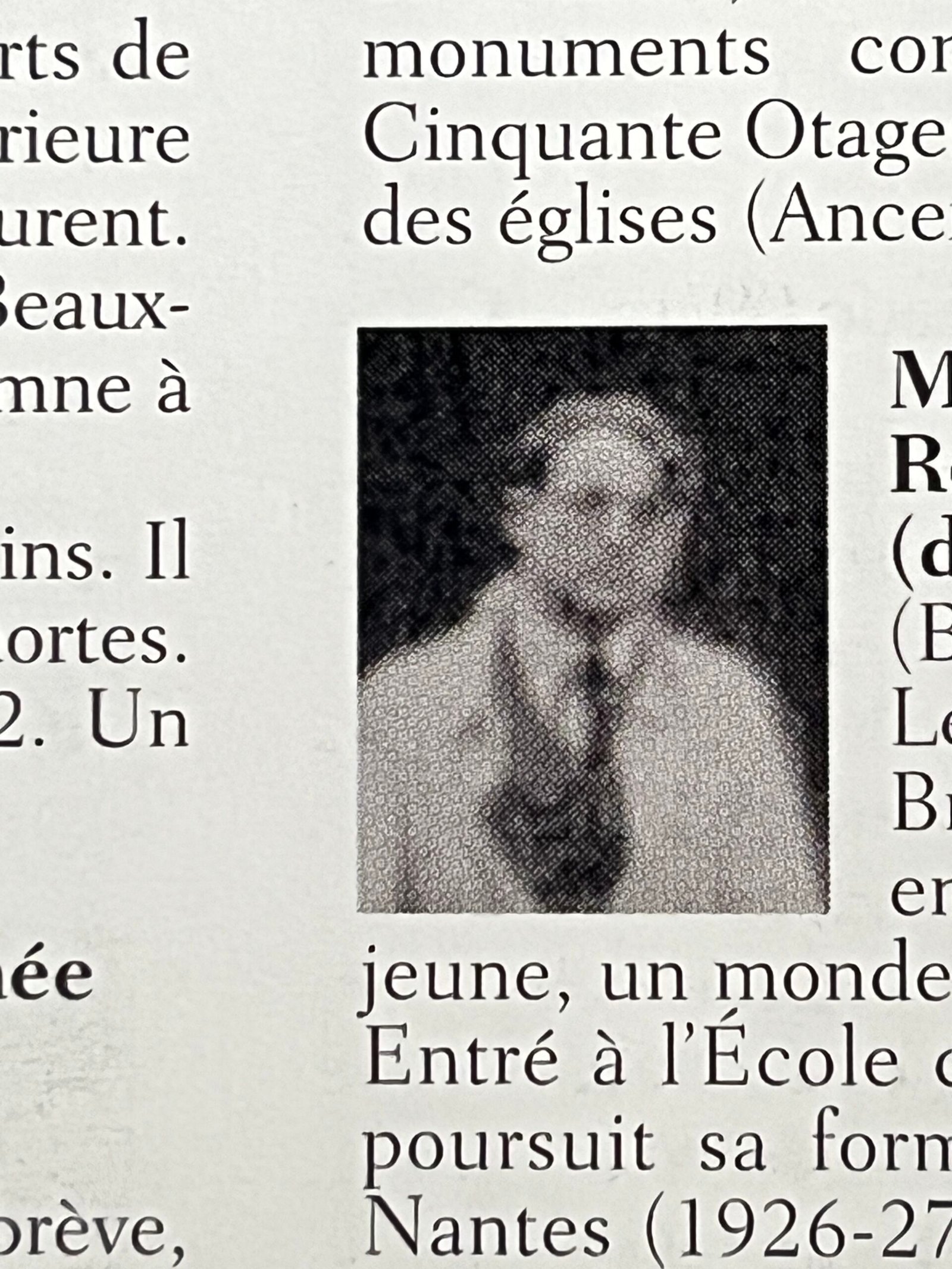
Robert Micheau-Vernez
(1907–1989)
Painter and multidisciplinary artist · furniture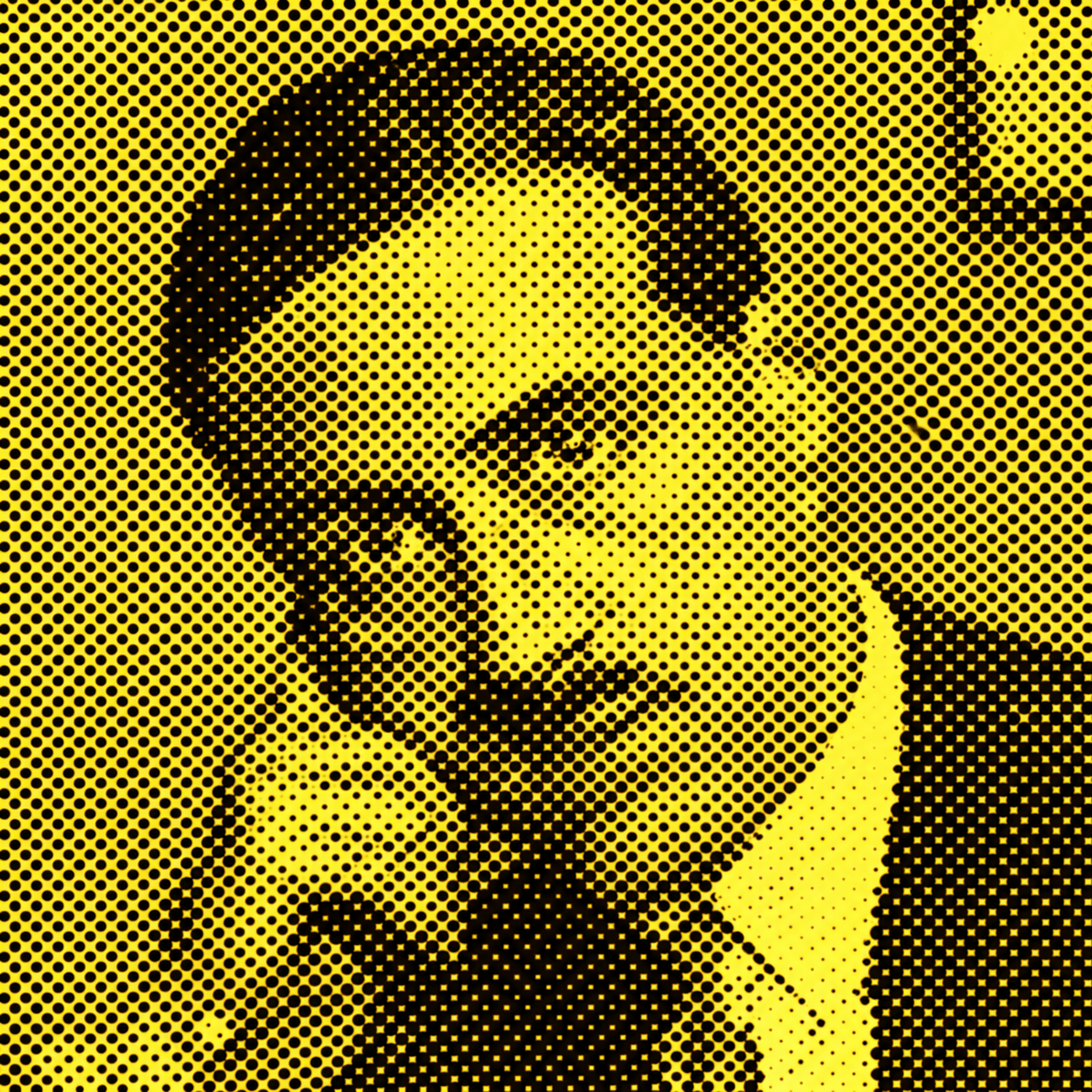
SÉBILLEAU Gaston
(1894–1957)
Sculptor and cabinetmaker · RedonJames Boiled
(1894–1945)
Architect · Furniture and Interior DesignOBJECTS, IN PICTURES
JOSEPH SAVINA
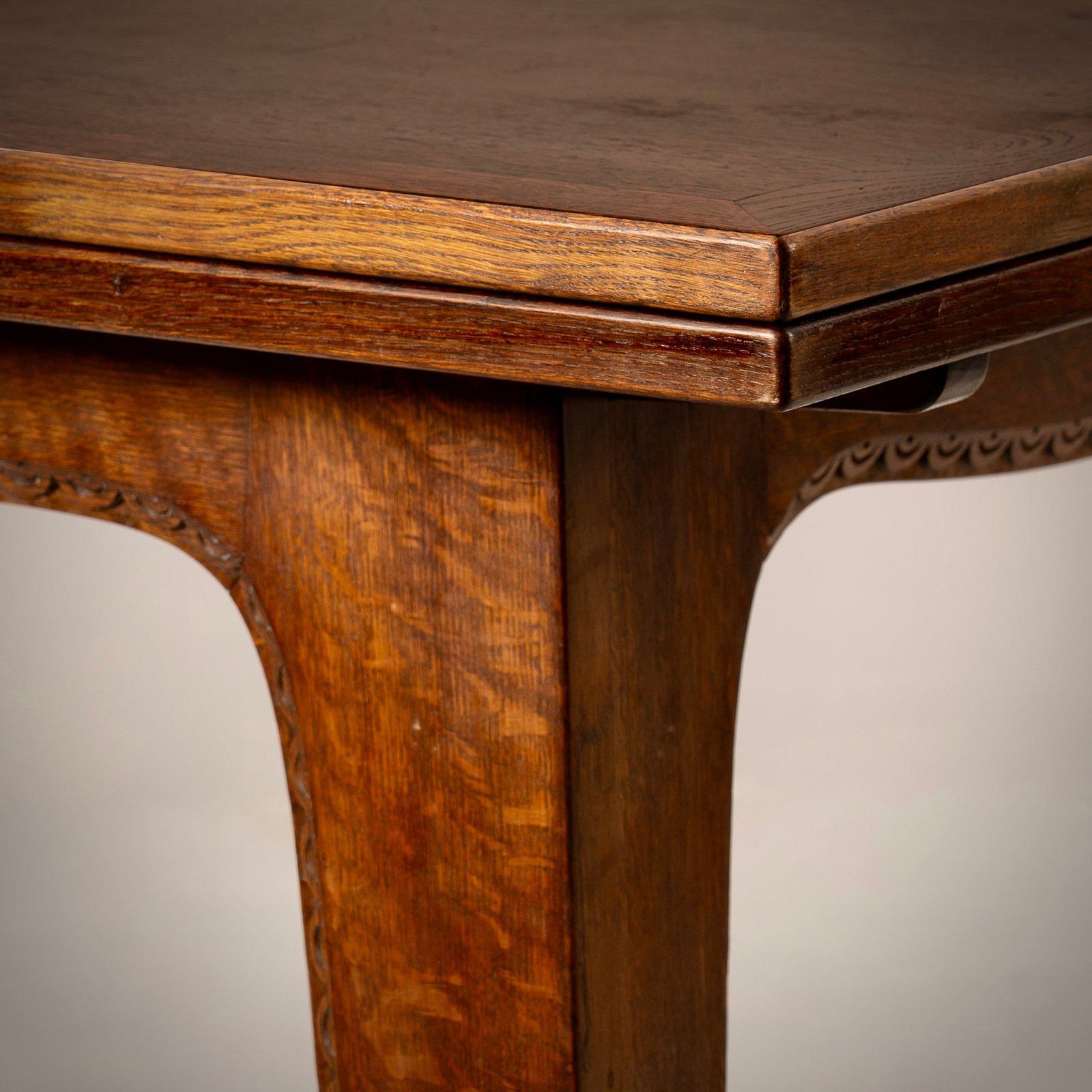
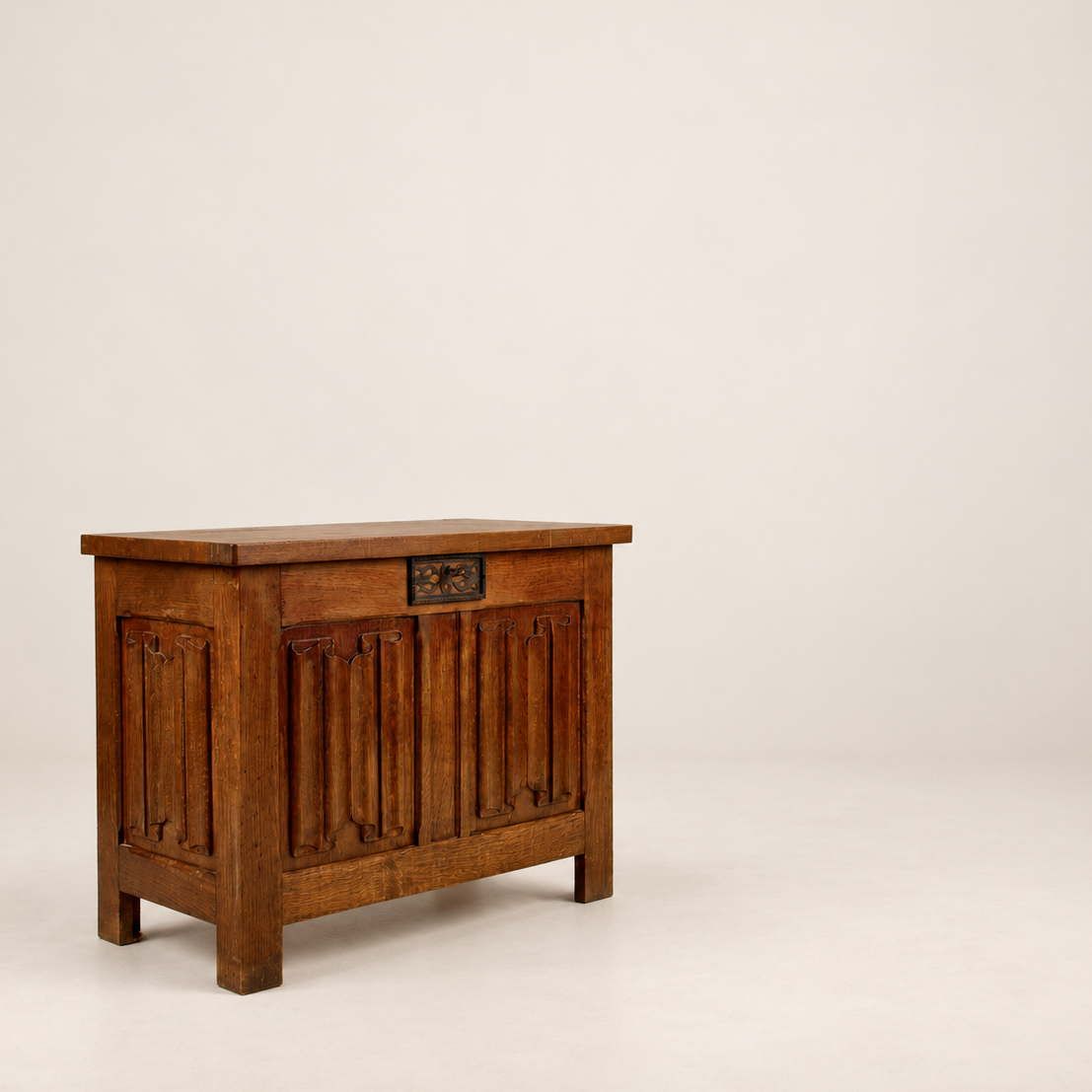
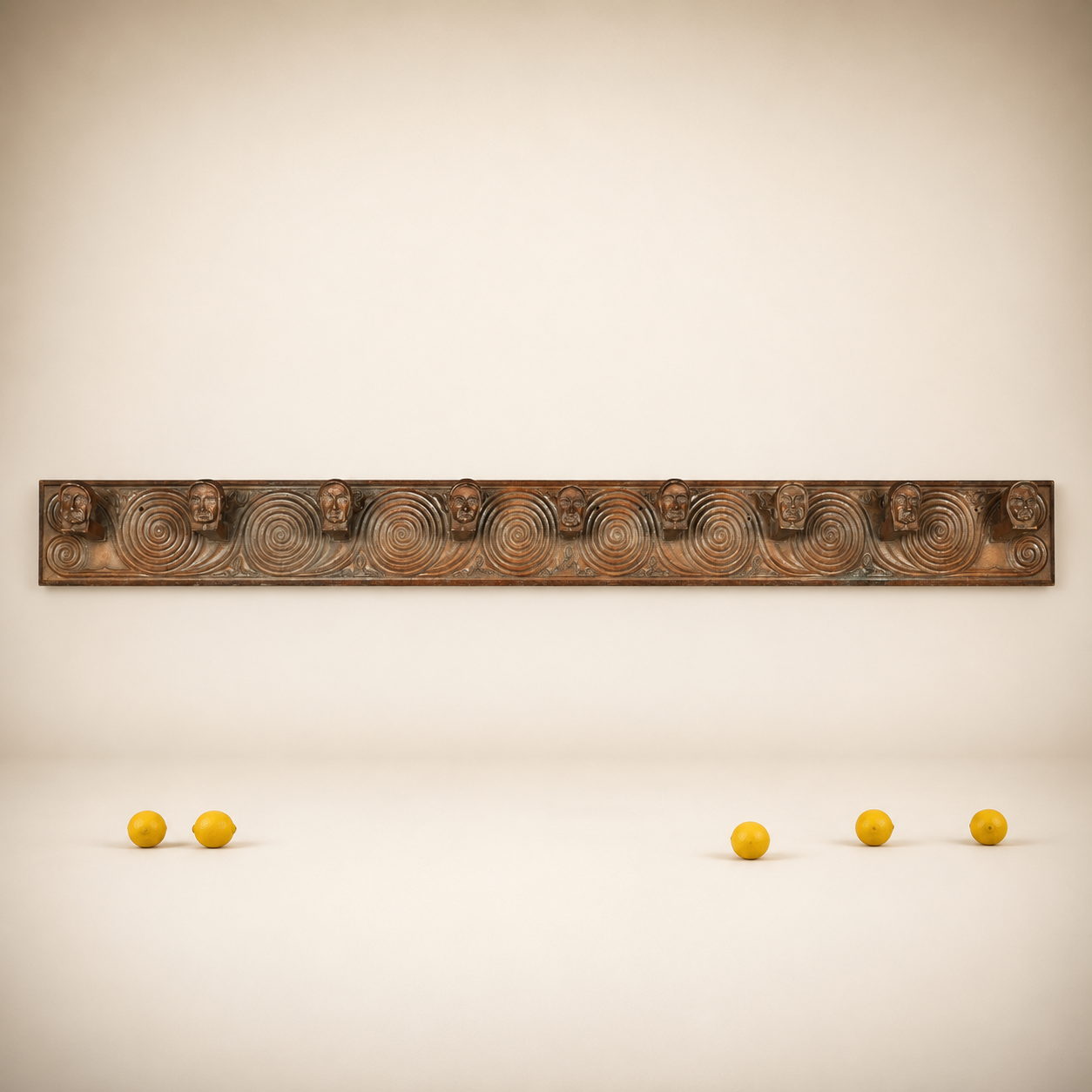
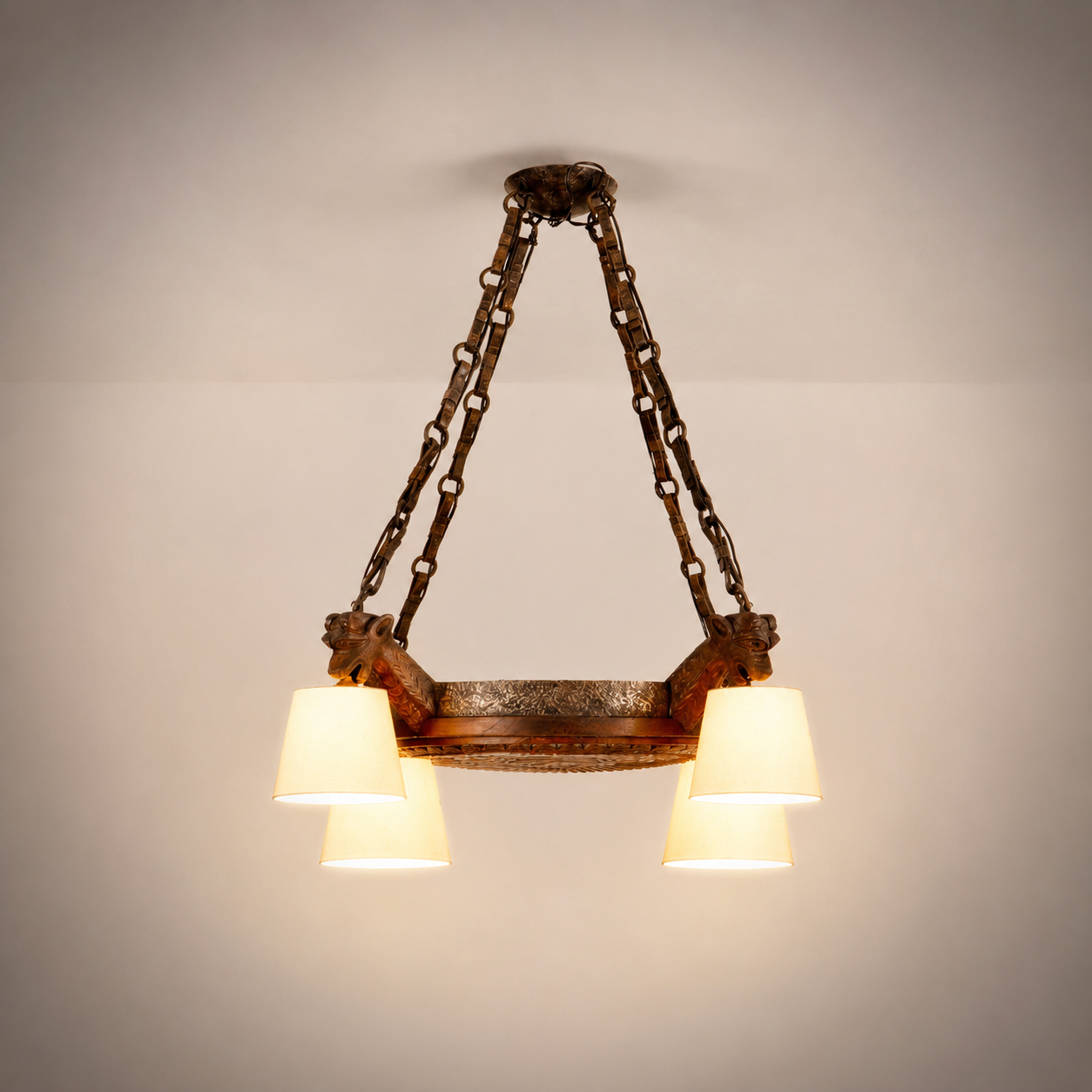
JEANNE MALIVEL
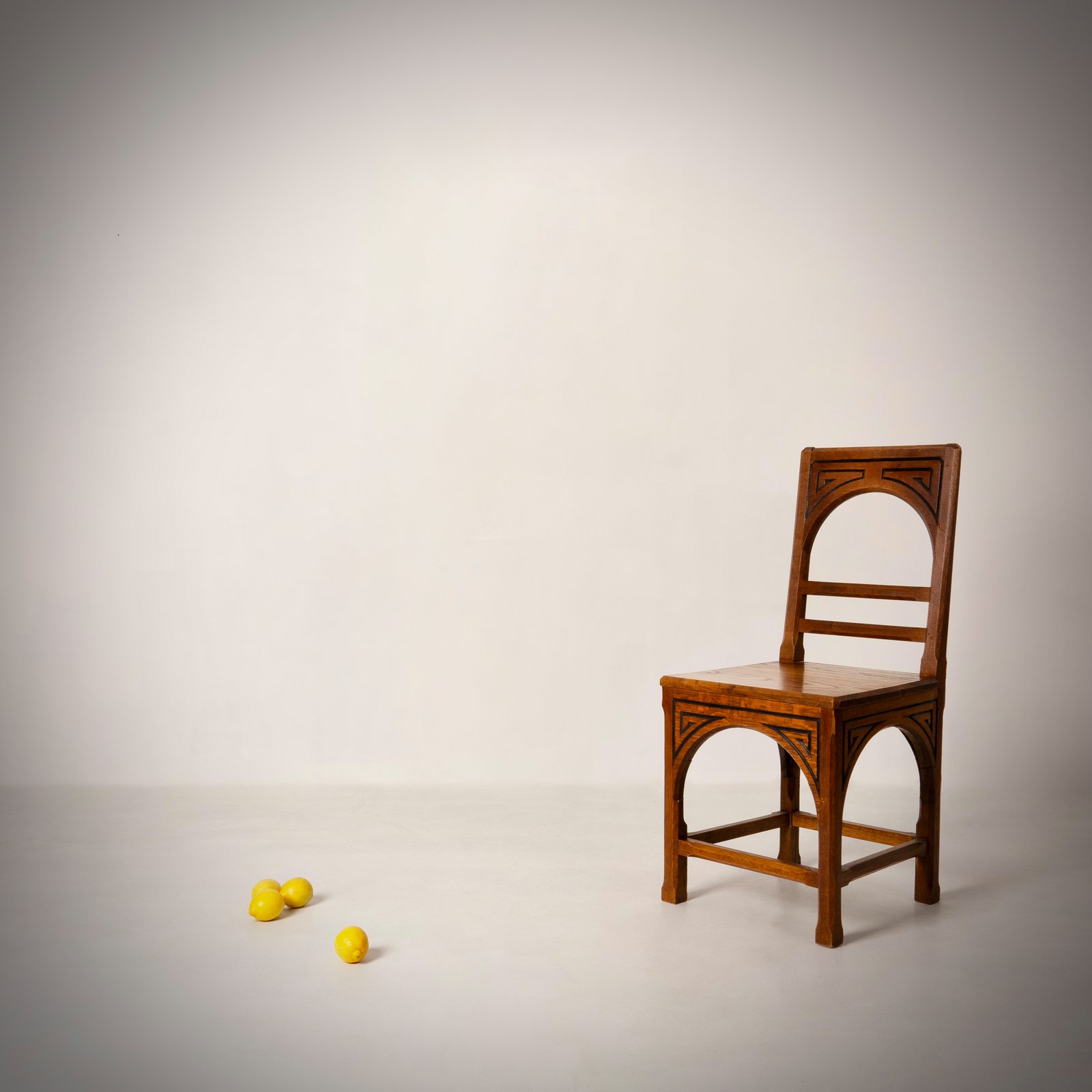
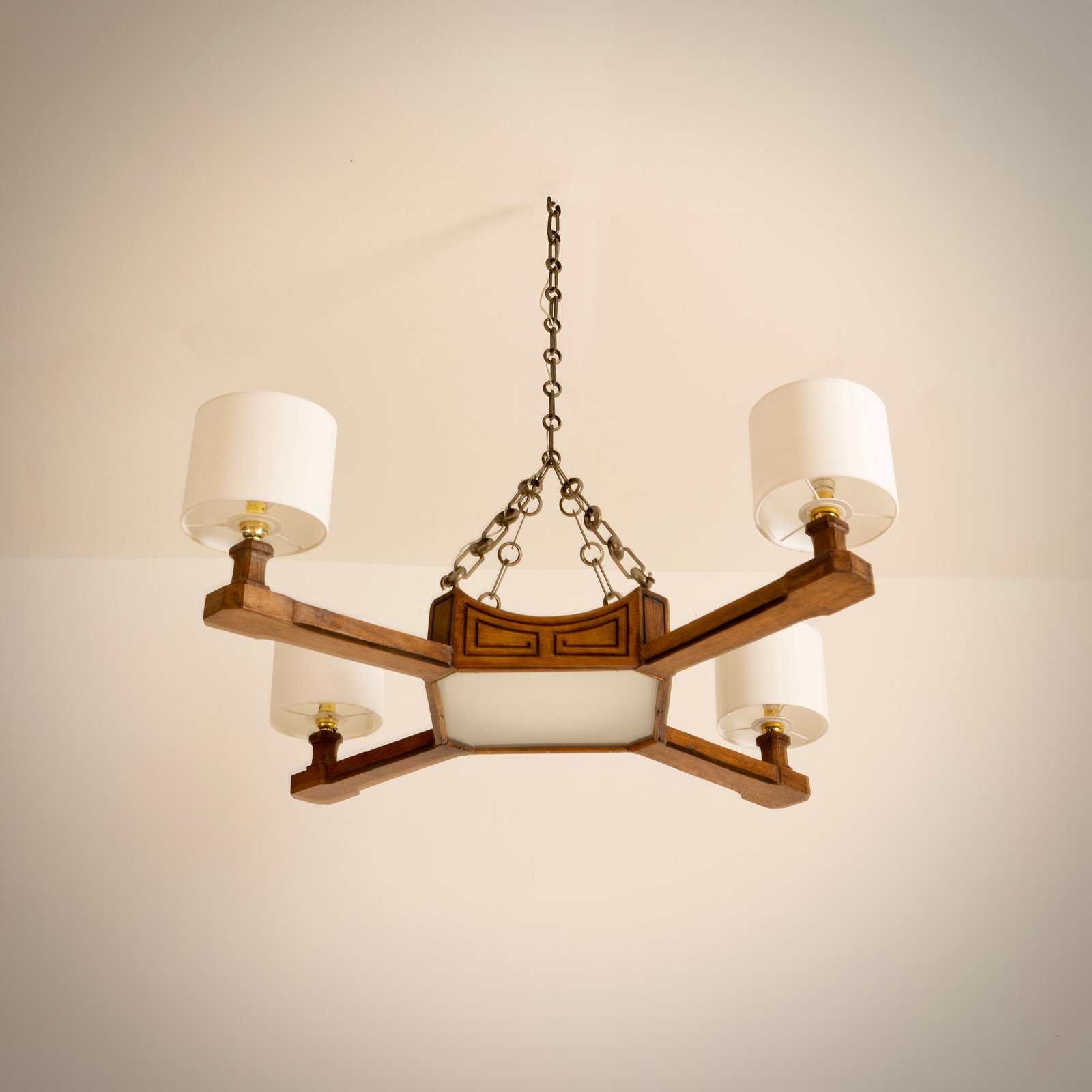
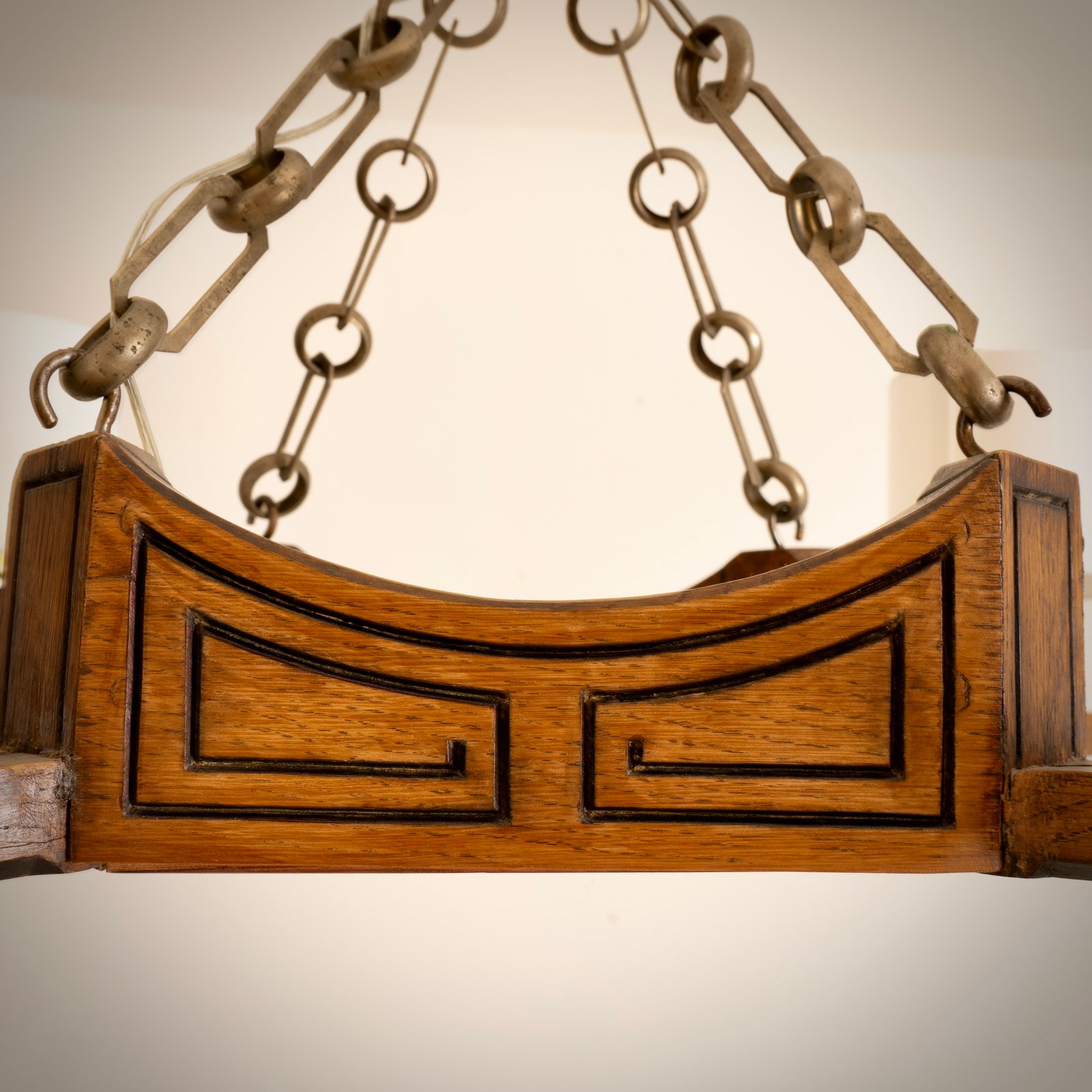
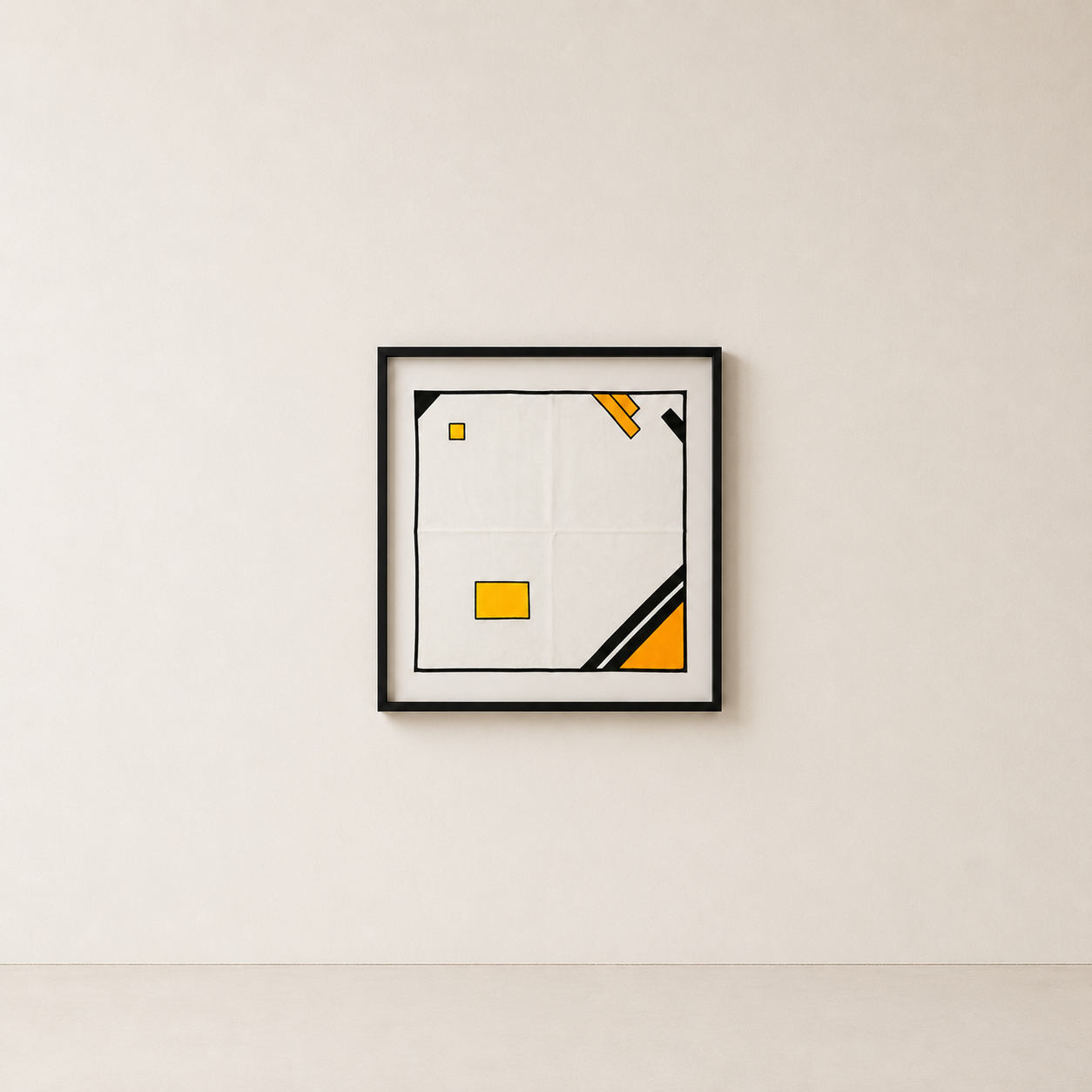
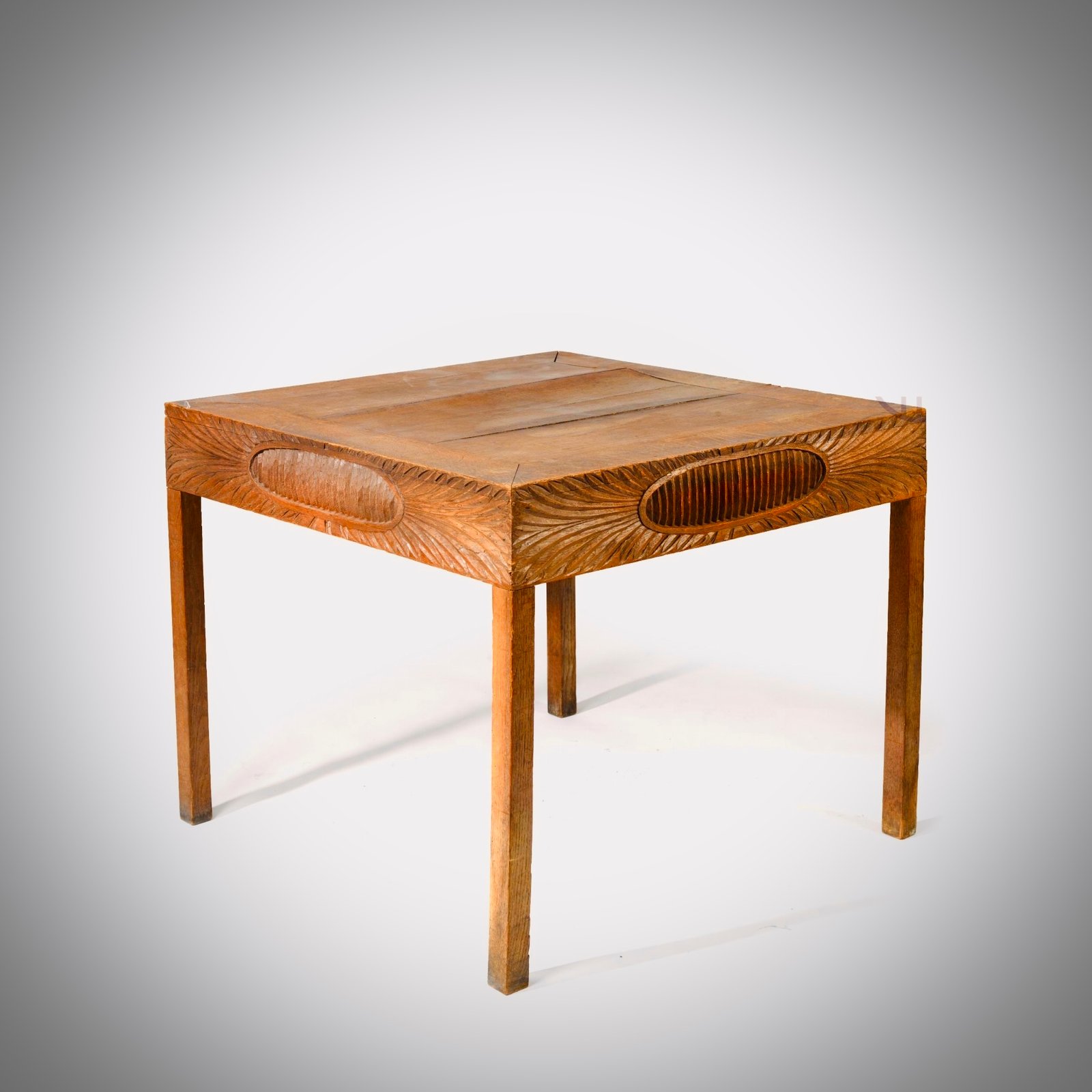
PAUL FOUILLEN
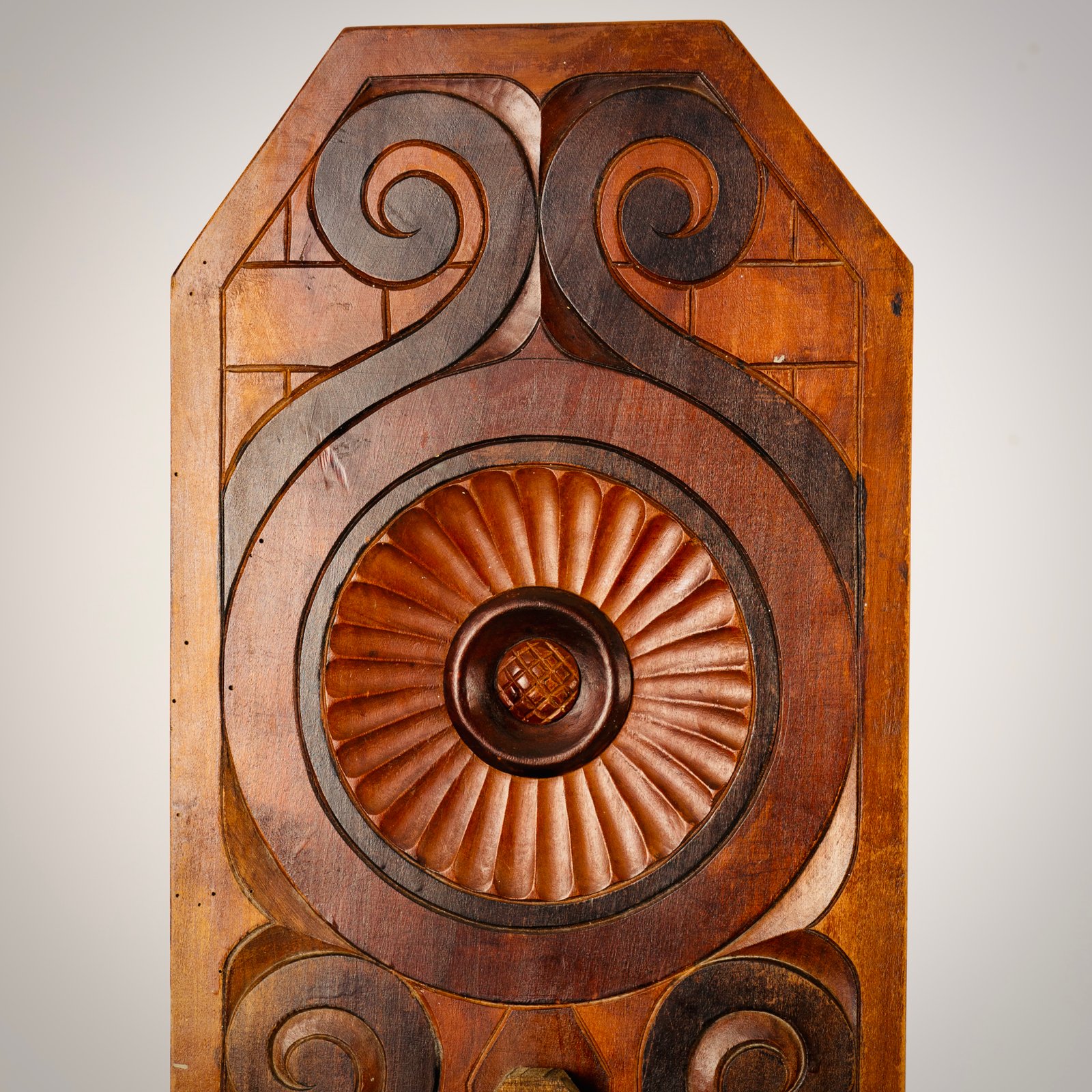
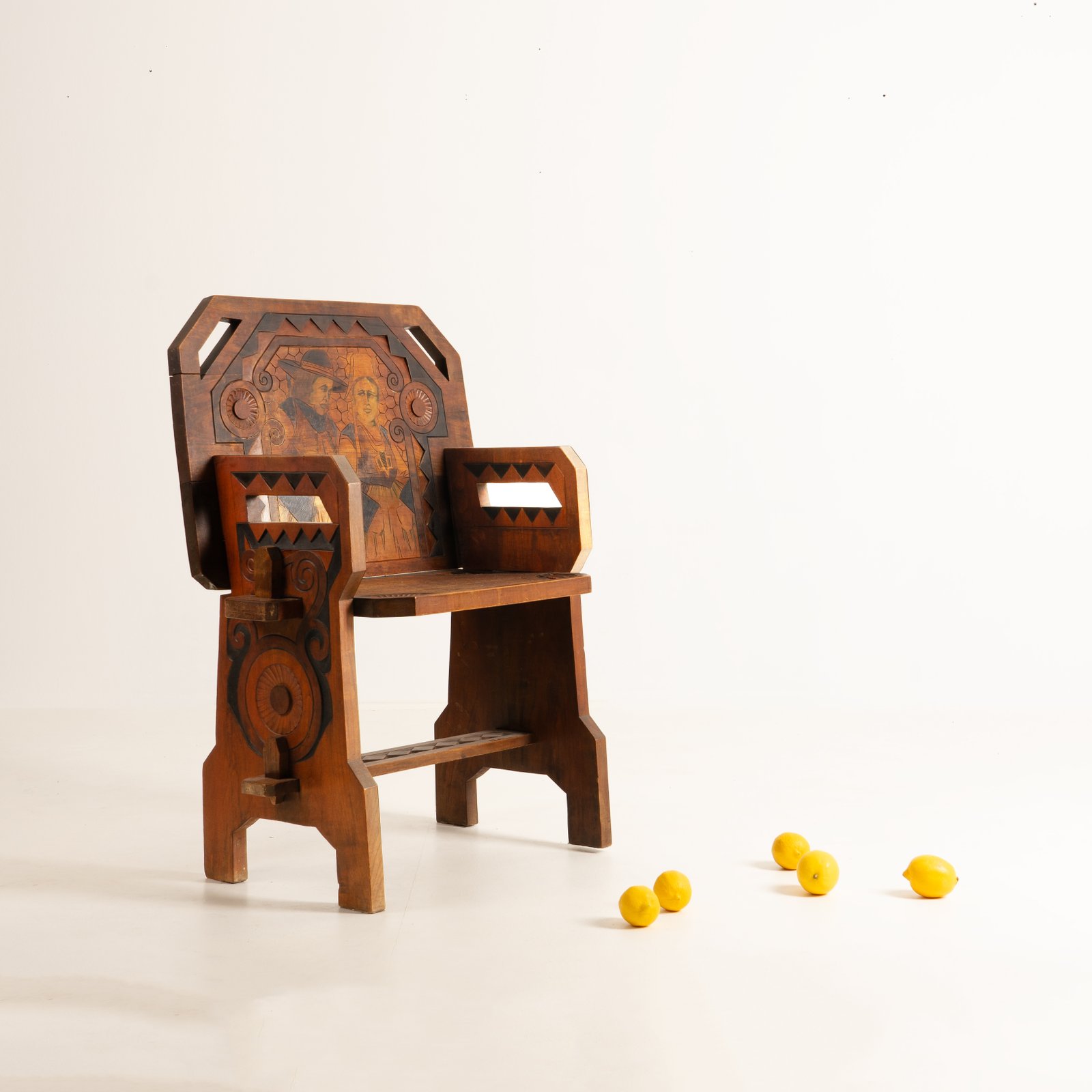
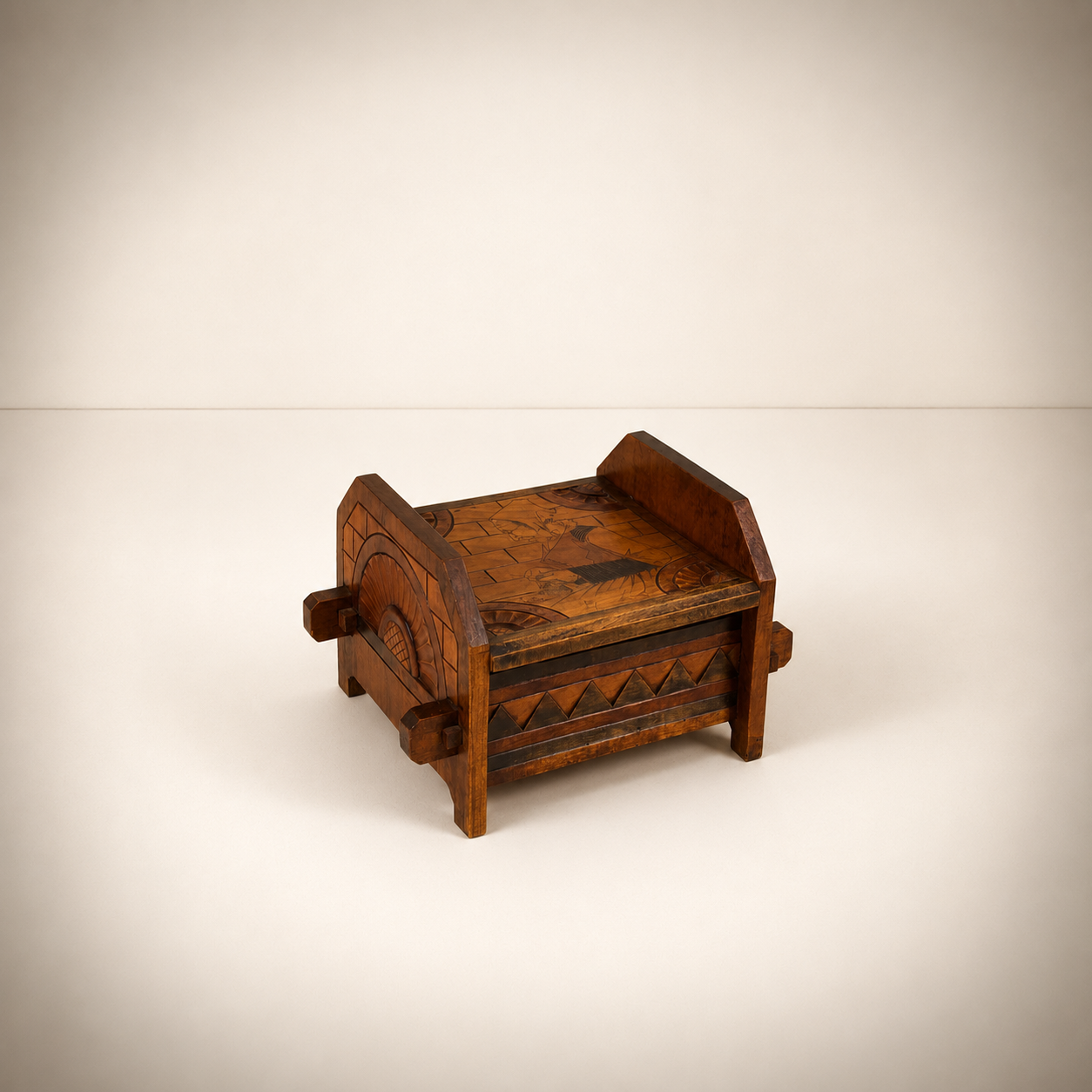
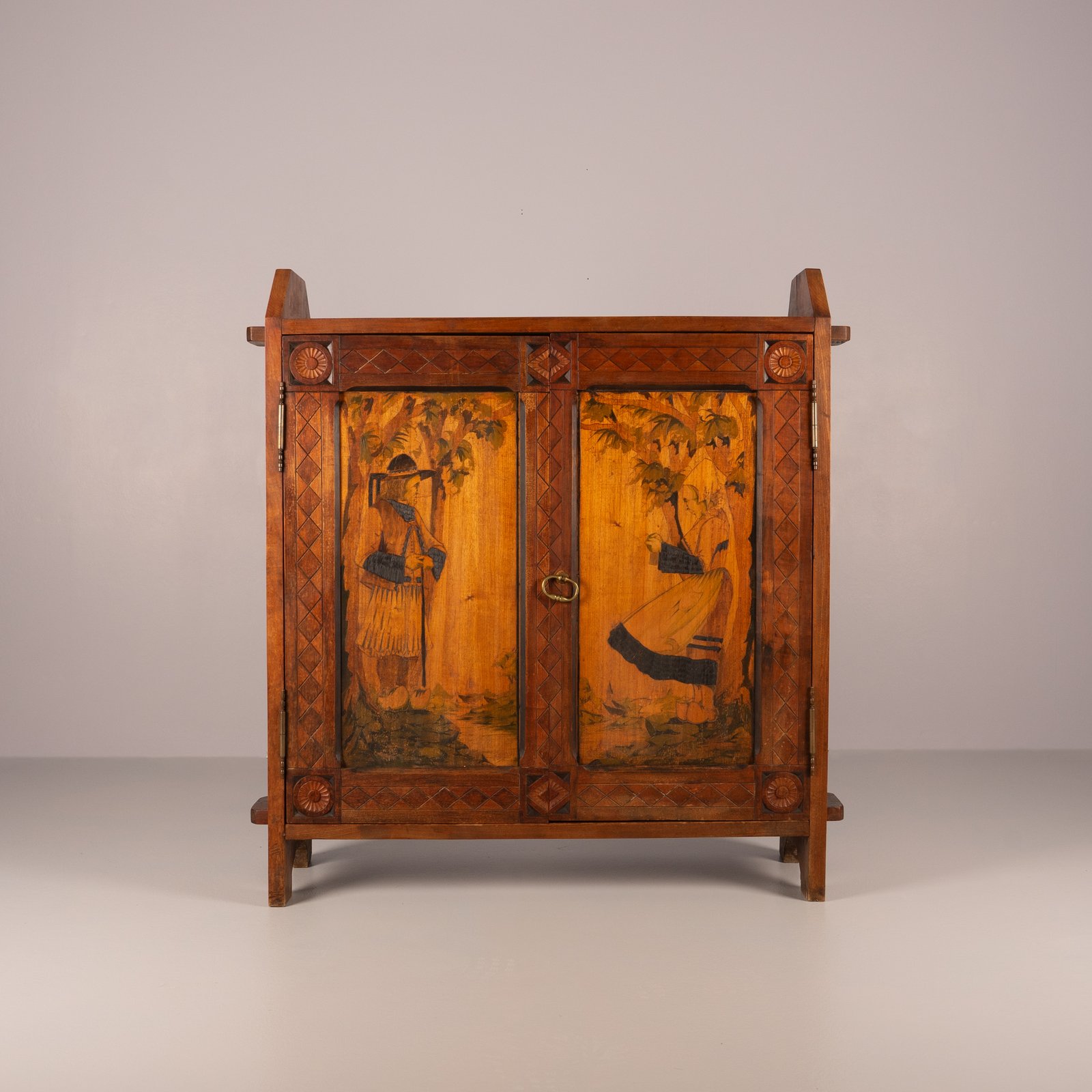
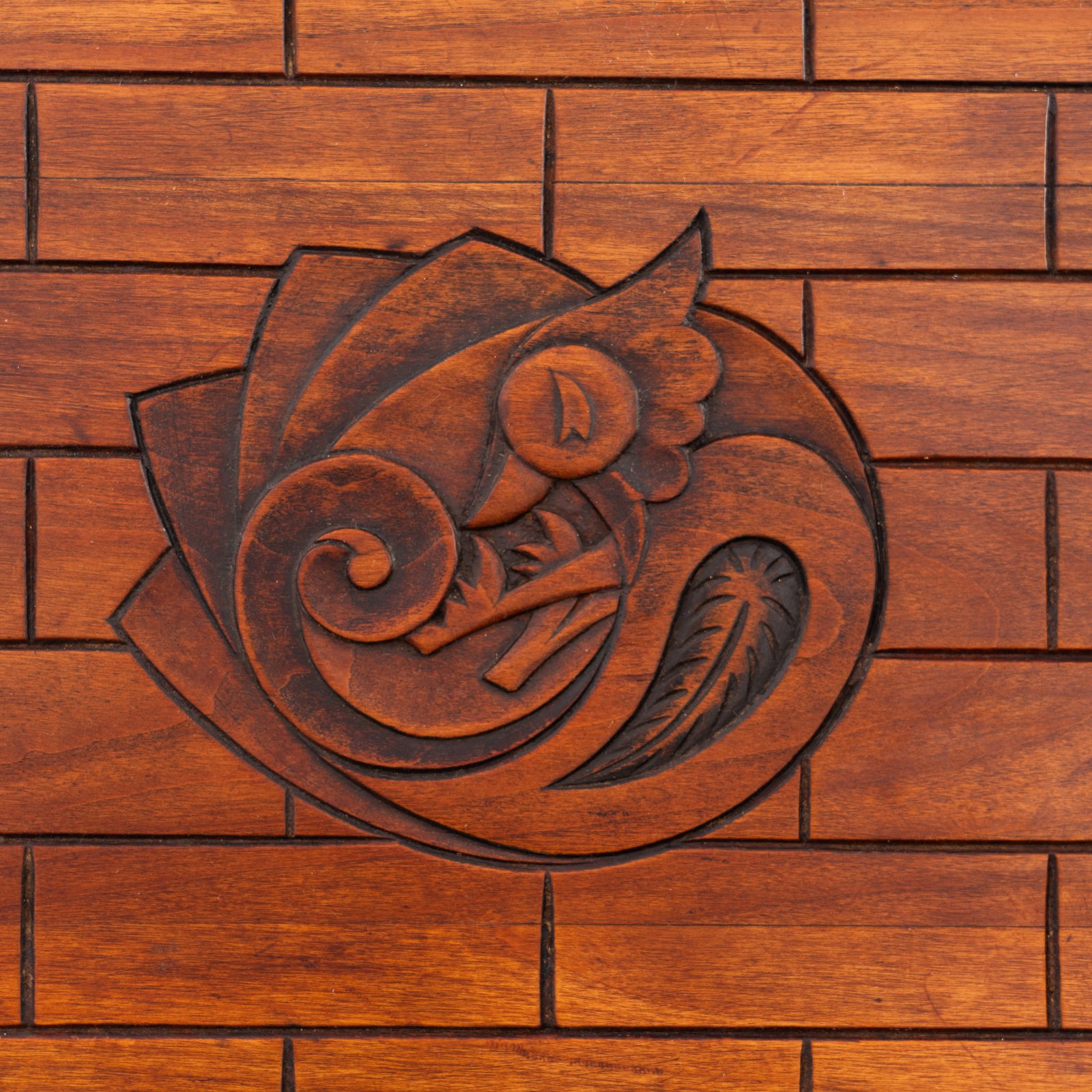
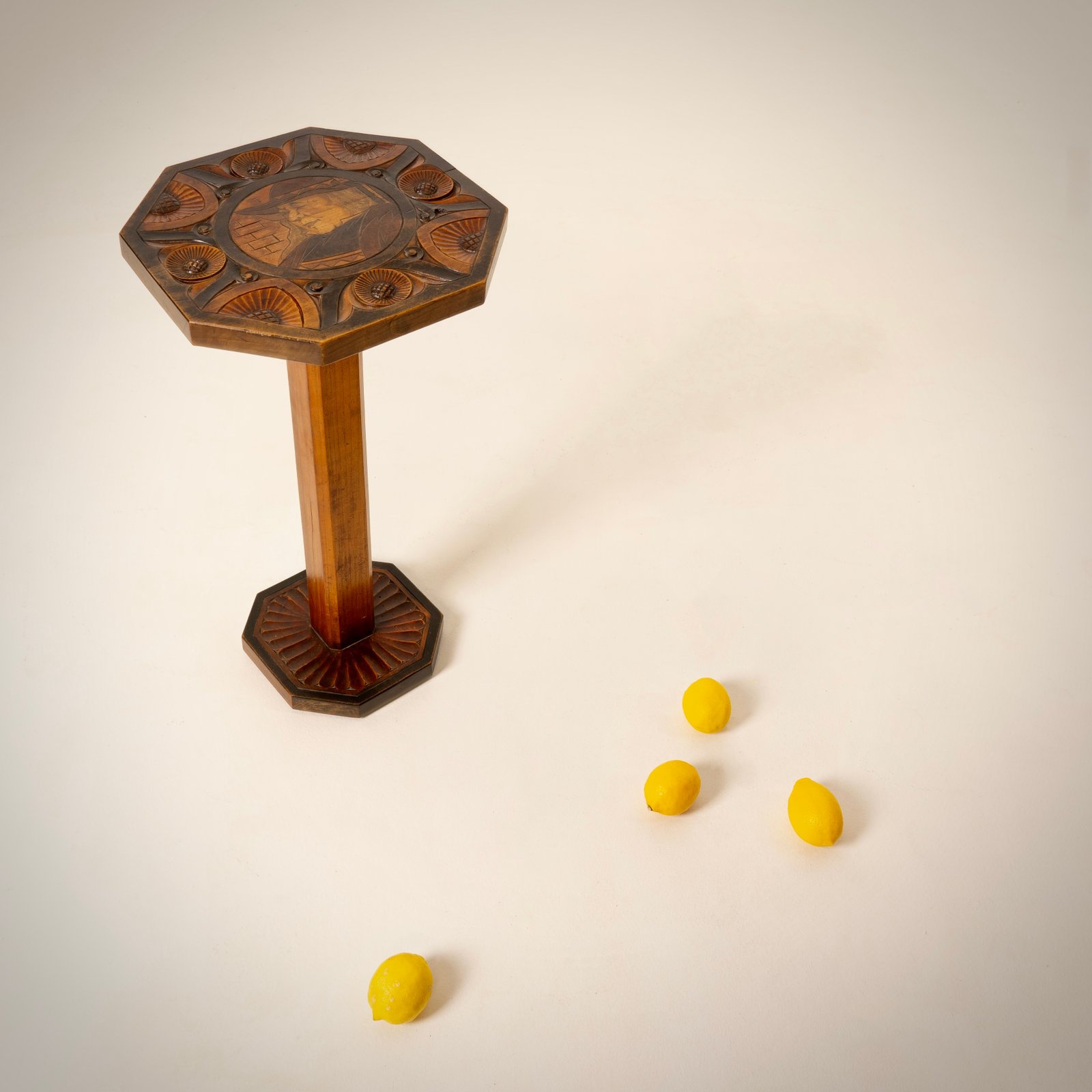
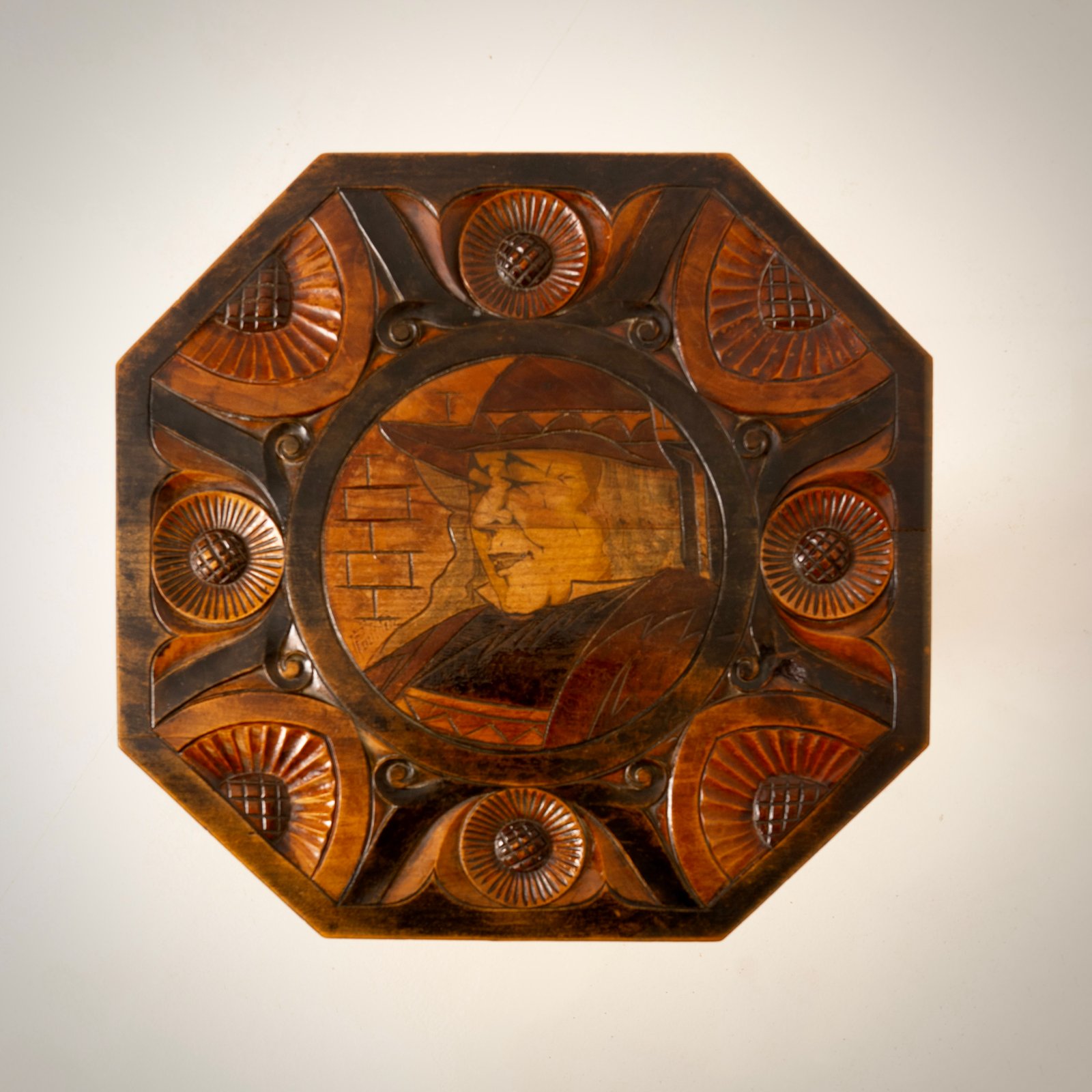
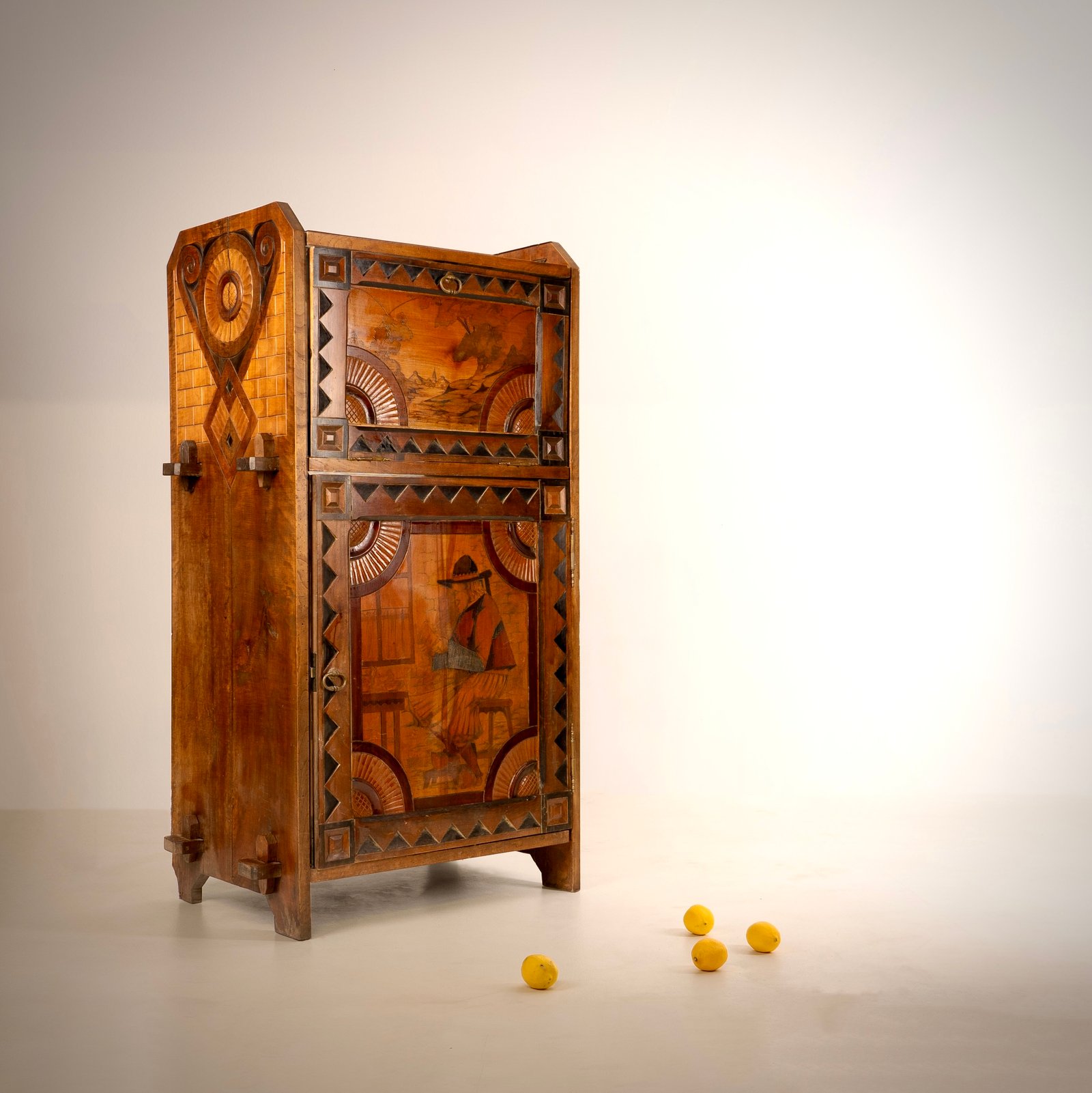
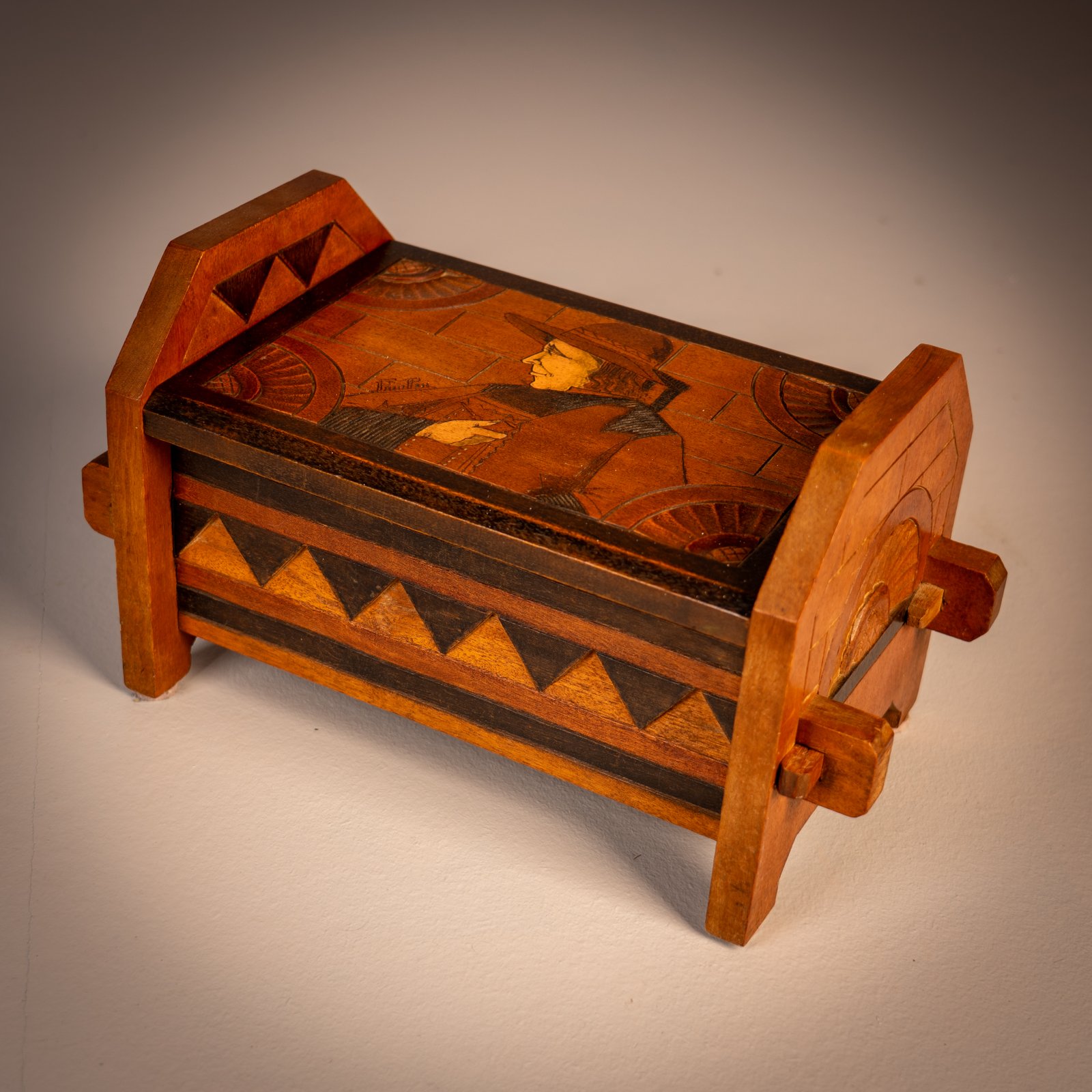
OF THE PROJECT
TO THE OBJECT
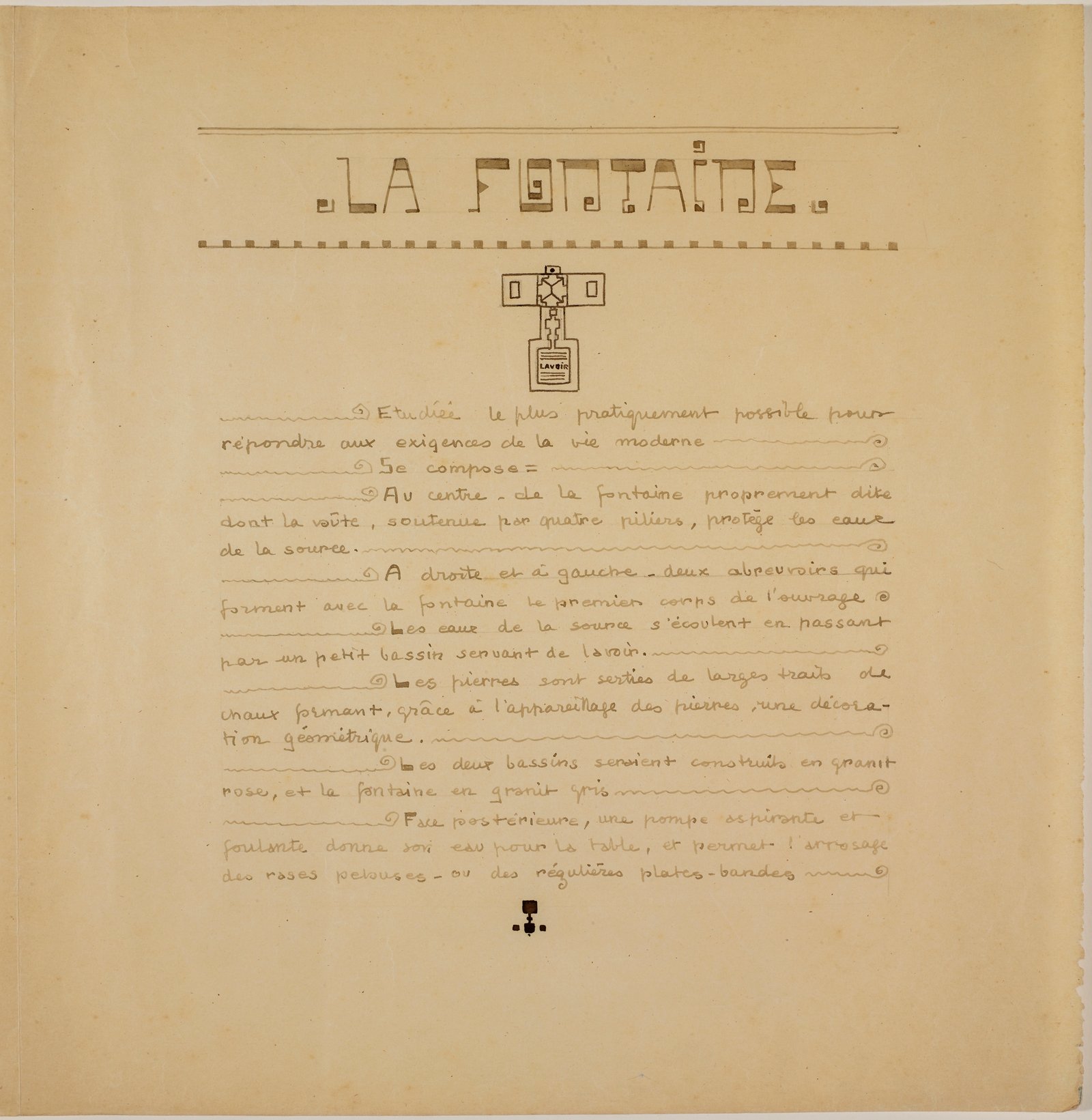
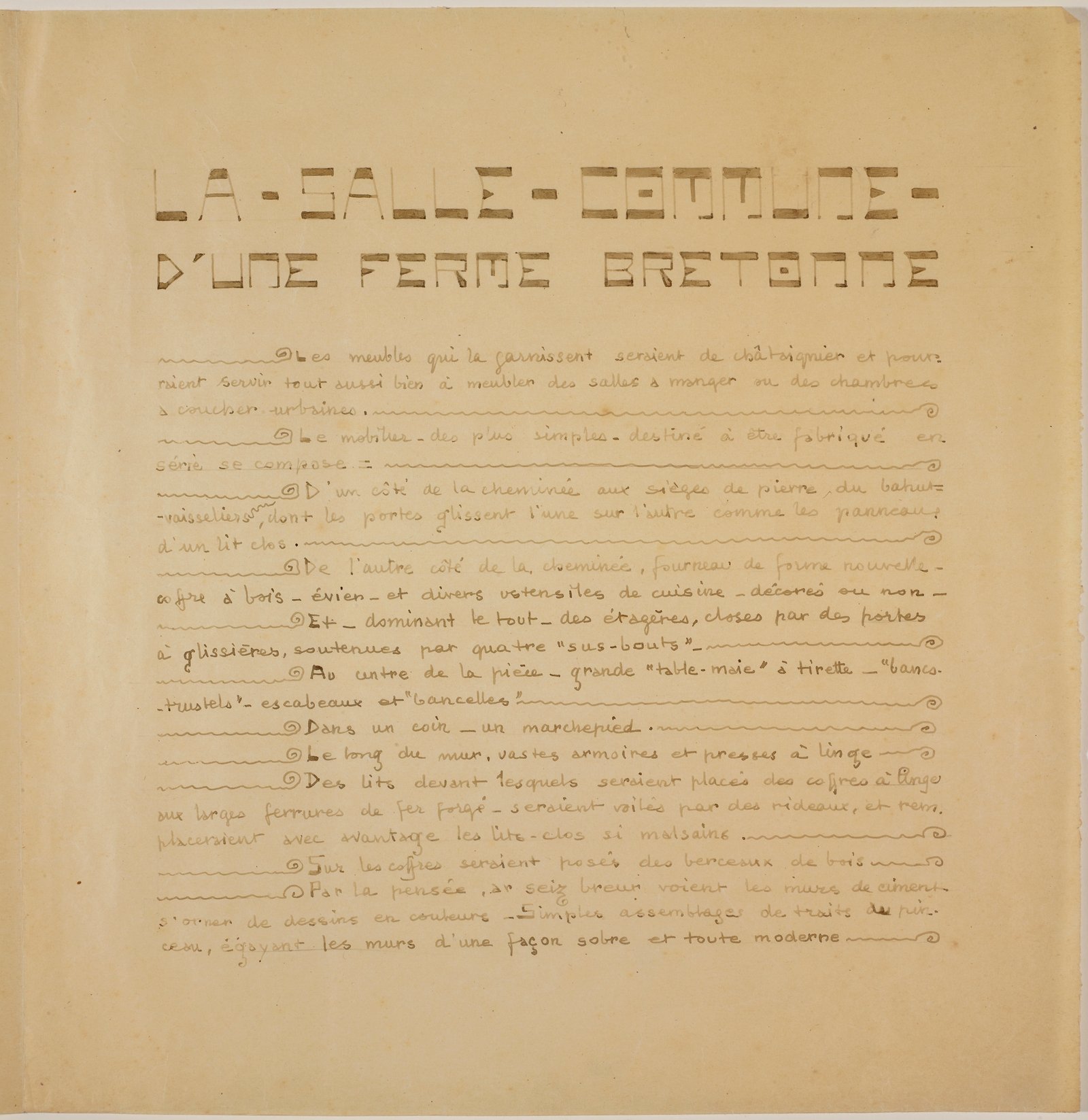
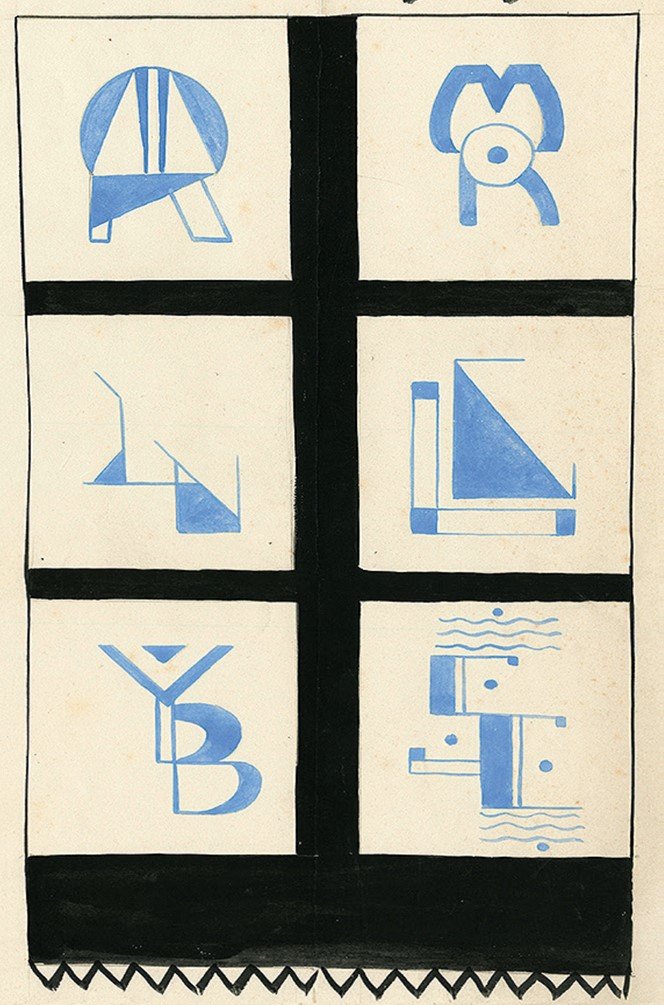
A PROJECT FOR EVERYDAY LIFE
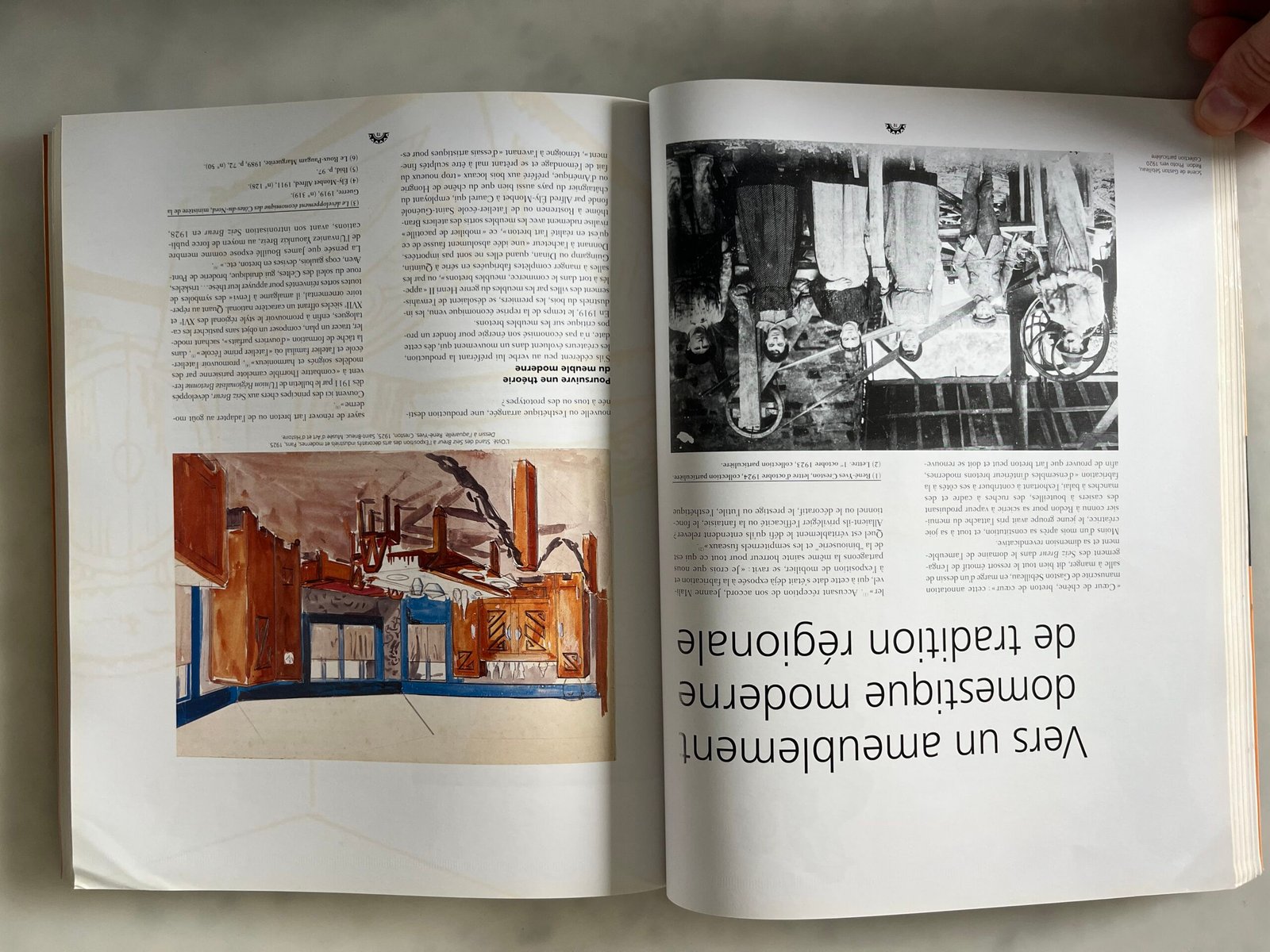
In the catalog Ar Seiz Breur 1923–1947, Pascal Aumasson places furniture at the heart of a renewal of Breton interiors. Traditional furniture provides forms, uses and a decorative repertoire; designers seek to adapt them to the needs of modern housing rather than mechanically reproducing the past.
The division of labor remains essential: an artist designs, a craftsman manufactures, and several trades contribute to the design. Osté's projects from 1925 allow us to consider the interplay of interior architecture, furniture, textiles, and tableware.
SOURCES
& DOCUMENTS
The dossier distinguishes between conception, execution, and attribution. The fact sheets include references to preserved works, historical documents, and a bibliography to further the study.
PURCHASE AND APPRAISAL OF SEIZ BREUR CREATIONS
Do you own a piece of furniture, a chair, a ceramic piece or a workshop document? DIZAGN is considering proposals in Brest and Finistère.
Submitting a work to DIZAGN: pieces sought and information to provide
- Selling a piece of furniture by Joseph Savina — furniture and seating; ; read the Savina file.
- Jeanne Malivel — furniture projects, drawings and decorative arts.
- Gaston Sébilleau — Furniture and seating attributed to his workshop, dining room sets, drawings, invoices and provenance documents.
- René-Yves Creston — Drawings and designs for furniture, graphic works, decorative art objects and ceramics attributed to René-Yves Creston, accompanied if possible by their documents.
- Georges Rual — Chairs, sofas, desks and other furniture attributed to Georges Rual, as well as drawings, invoices and workshop archives.
- Robert Micheau-Vernez — Ceramics and earthenware sculptures, decorated furniture, preparatory drawings and documents that allow us to specify the author of the model and its manufacture.
ARCHIVAL PORTRAITS
Three other faces from the Breton artistic scene, based on the documents provided.
BIBLIOGRAPHYLIBRARY
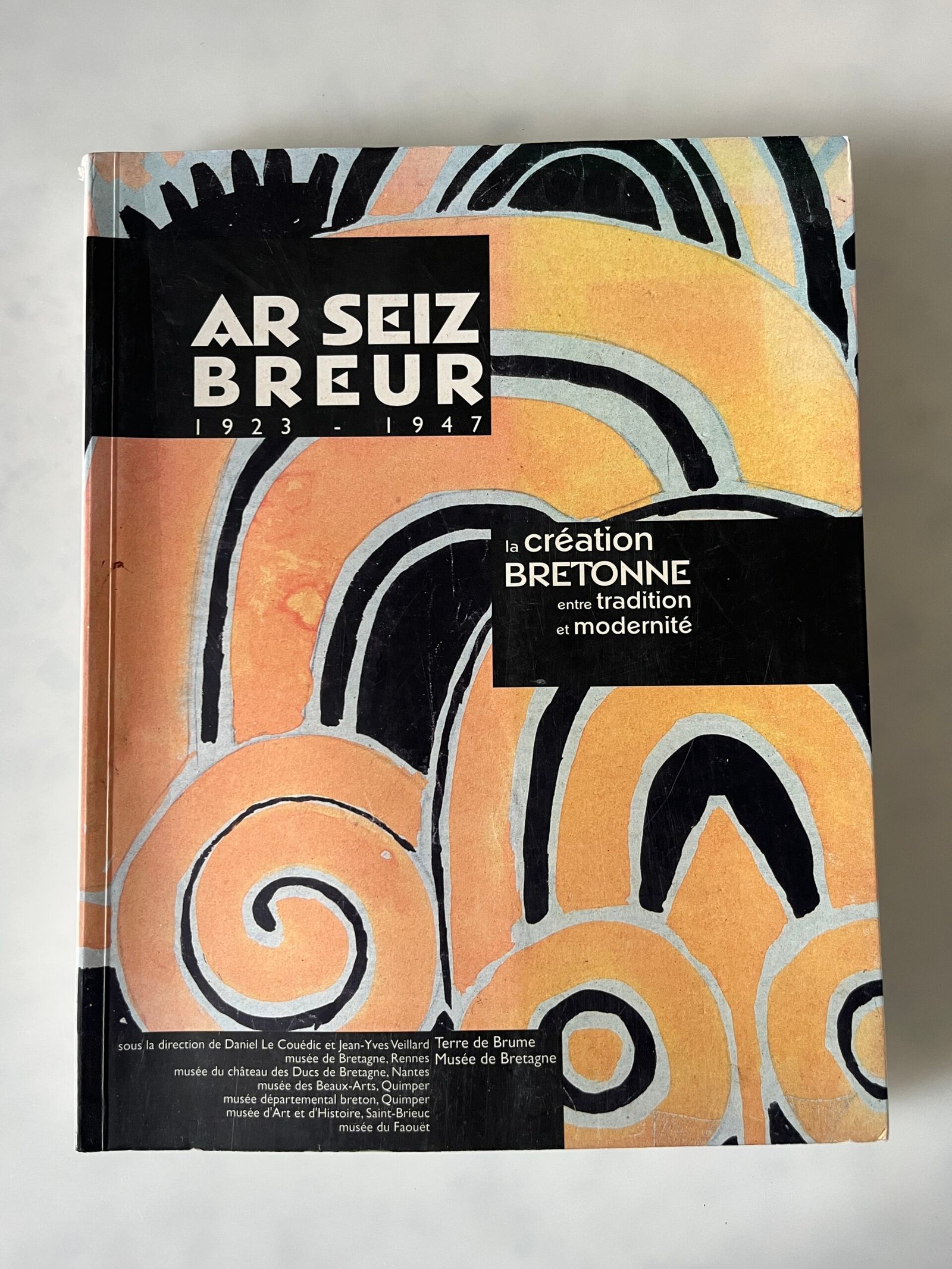
Original cover · All rights reserved.
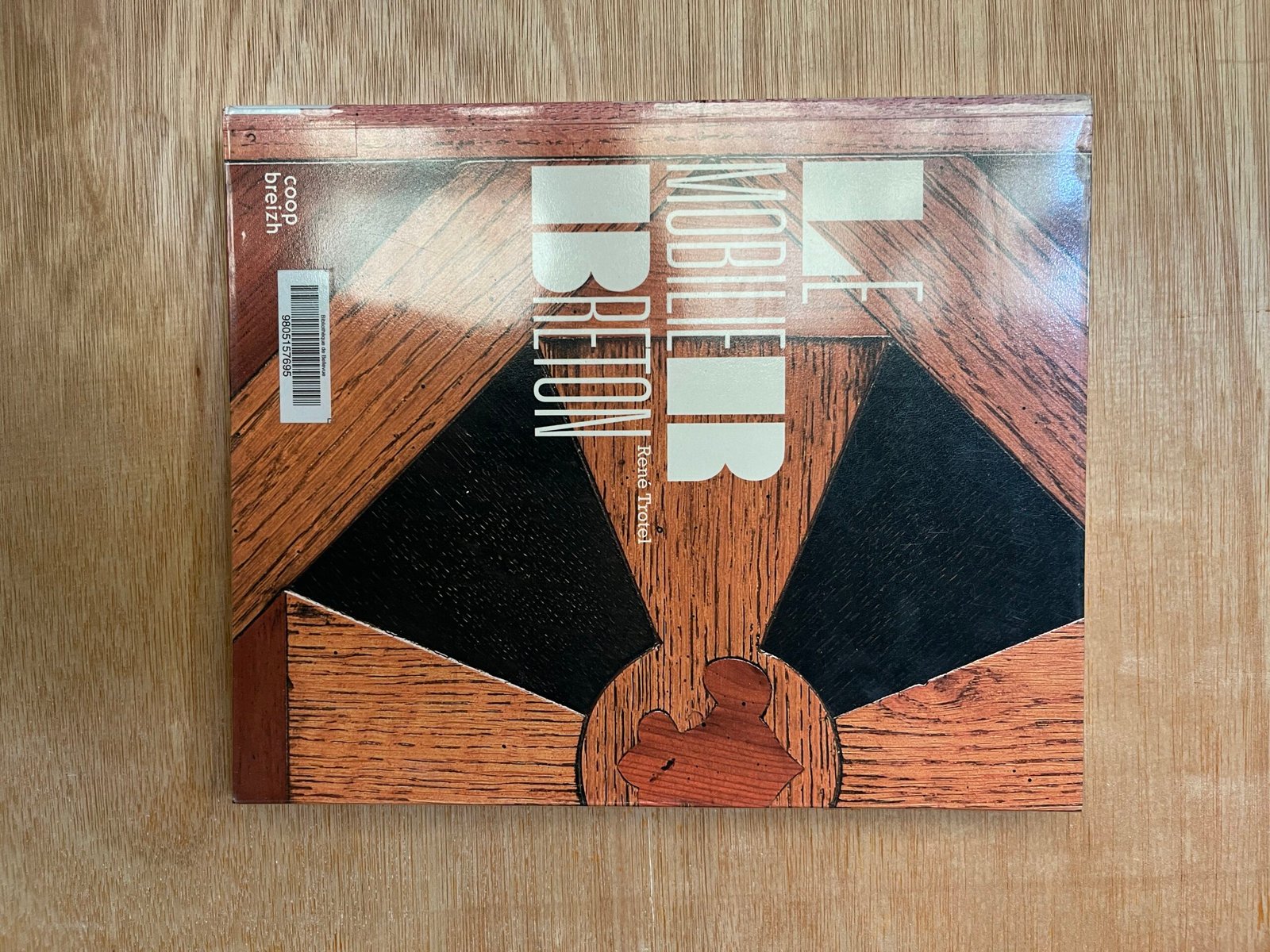
Original cover · All rights reserved.
Original cover · All rights reserved.
Original cover · All rights reserved.
- Daniel Le Couédic and Jean-Yves Veillard (eds.), Ar Seiz Breur 1923–1947. Breton creation between tradition and modernity, Terre de Brume / Musée de Bretagne, Rennes, 2000. See in particular Denise Delouche, «Jeanne Malivel, the beacon of Breton renewal», pp. 44–59, and Pascal Aumasson, «Towards modern domestic furniture of regional tradition», pp. 72–89.
- René Trotel, Breton Furniture: History and Splendors of a Regional Craft, Coop Breizh; preface by Laurence Prod'homme. Documents cited: p. 202–213.
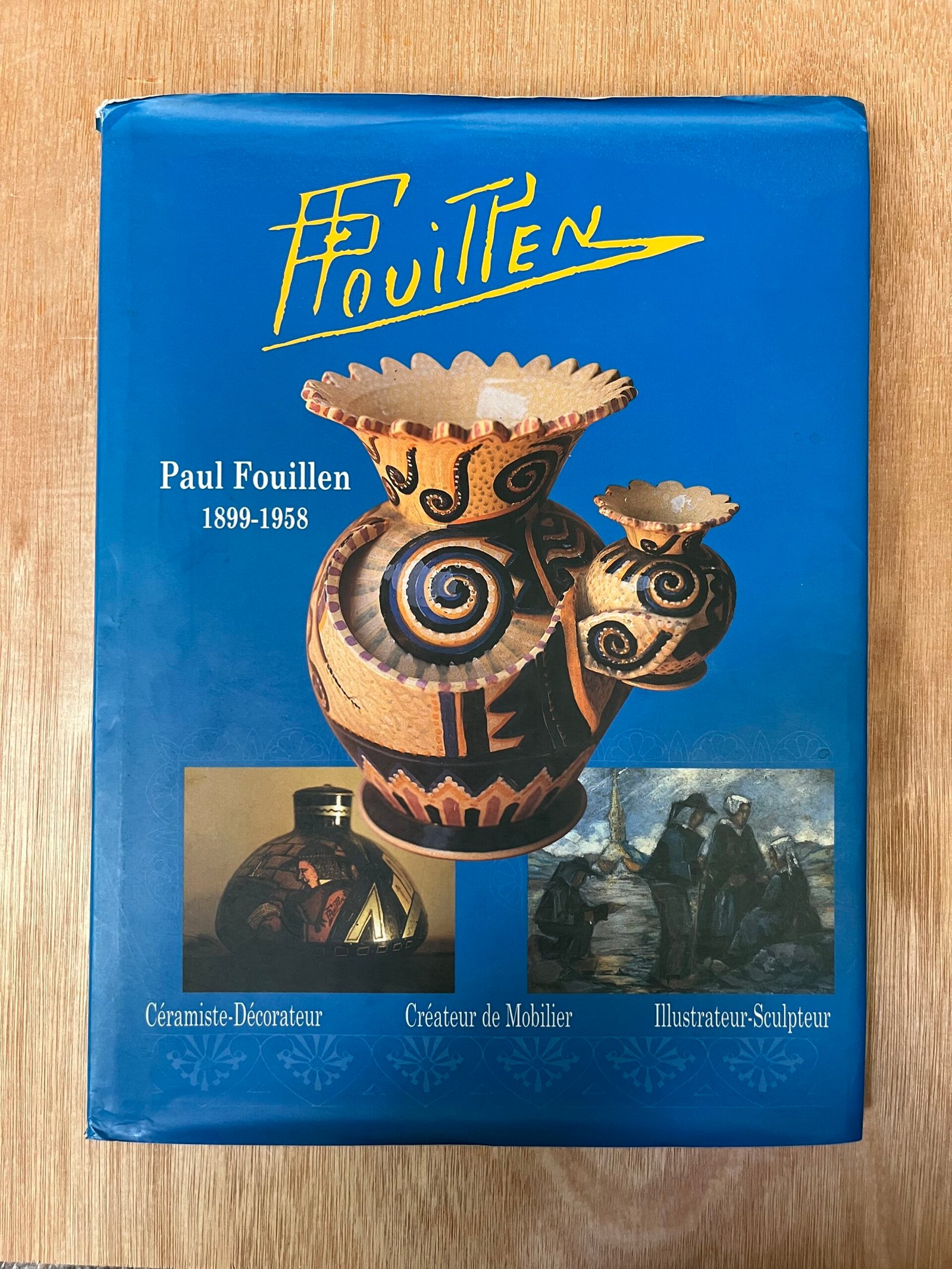
- Philippe Théallet (research and text), Christian Sévère (photographs and graphic design), Paul Fouillen 1899–1958, Les Amis de Paul Fouillen, Quimper, July 1999; Maurice Fouillen, managing editor. ISBN 2-9514128-0-0.
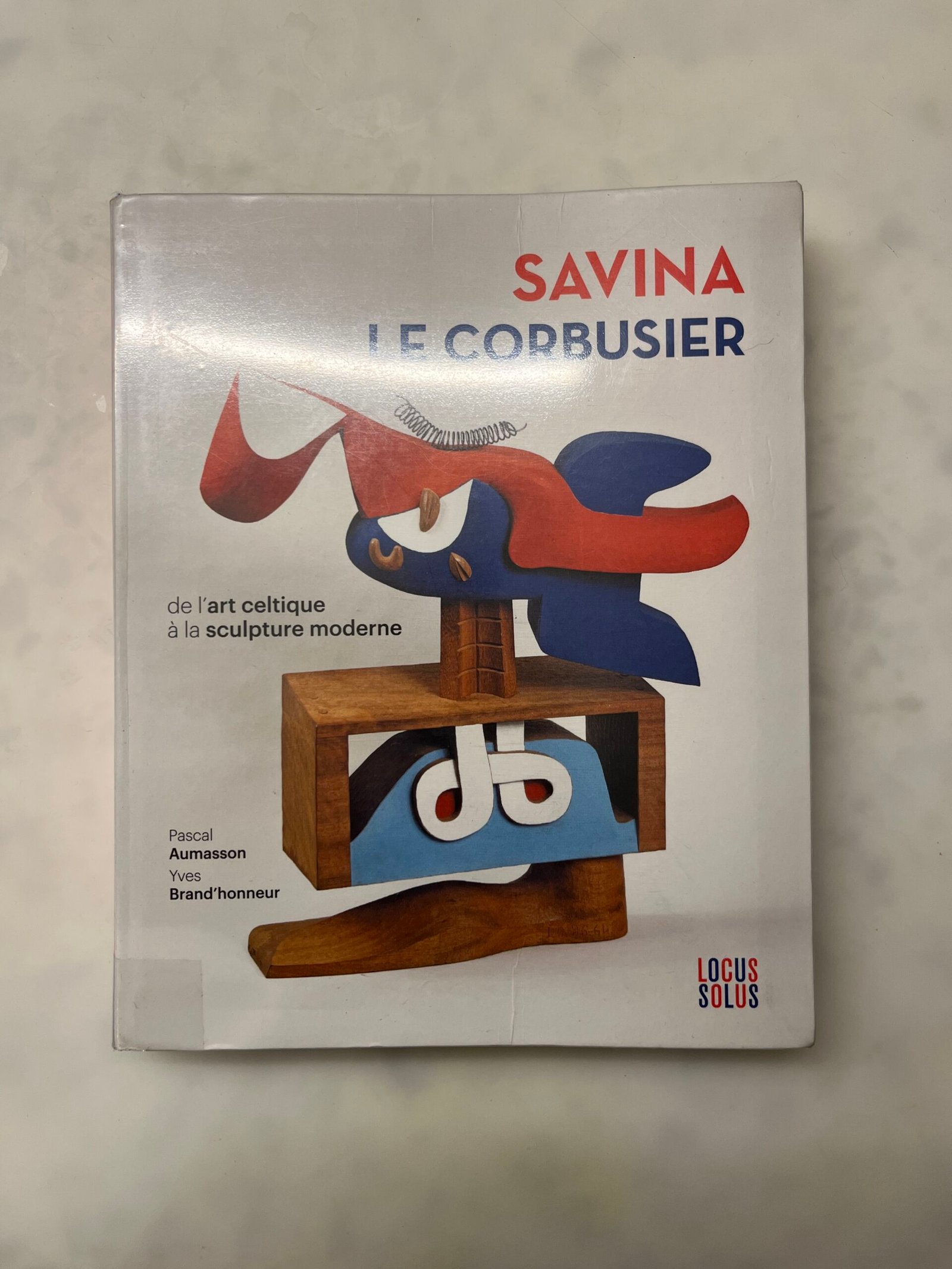
- Pascal Aumasson and Yves Brand'honneur, Savina–Le Corbusier, from Celtic art to modern sculpture, Locus Solus, 2021.
Additional information: Christian Le Part, notice of the UTL of Saint-Brieuc ; Xavier Haas, biography from the Xavier de Langlais collection ; Jean Fréour, City of Le Croisic file, 2016.
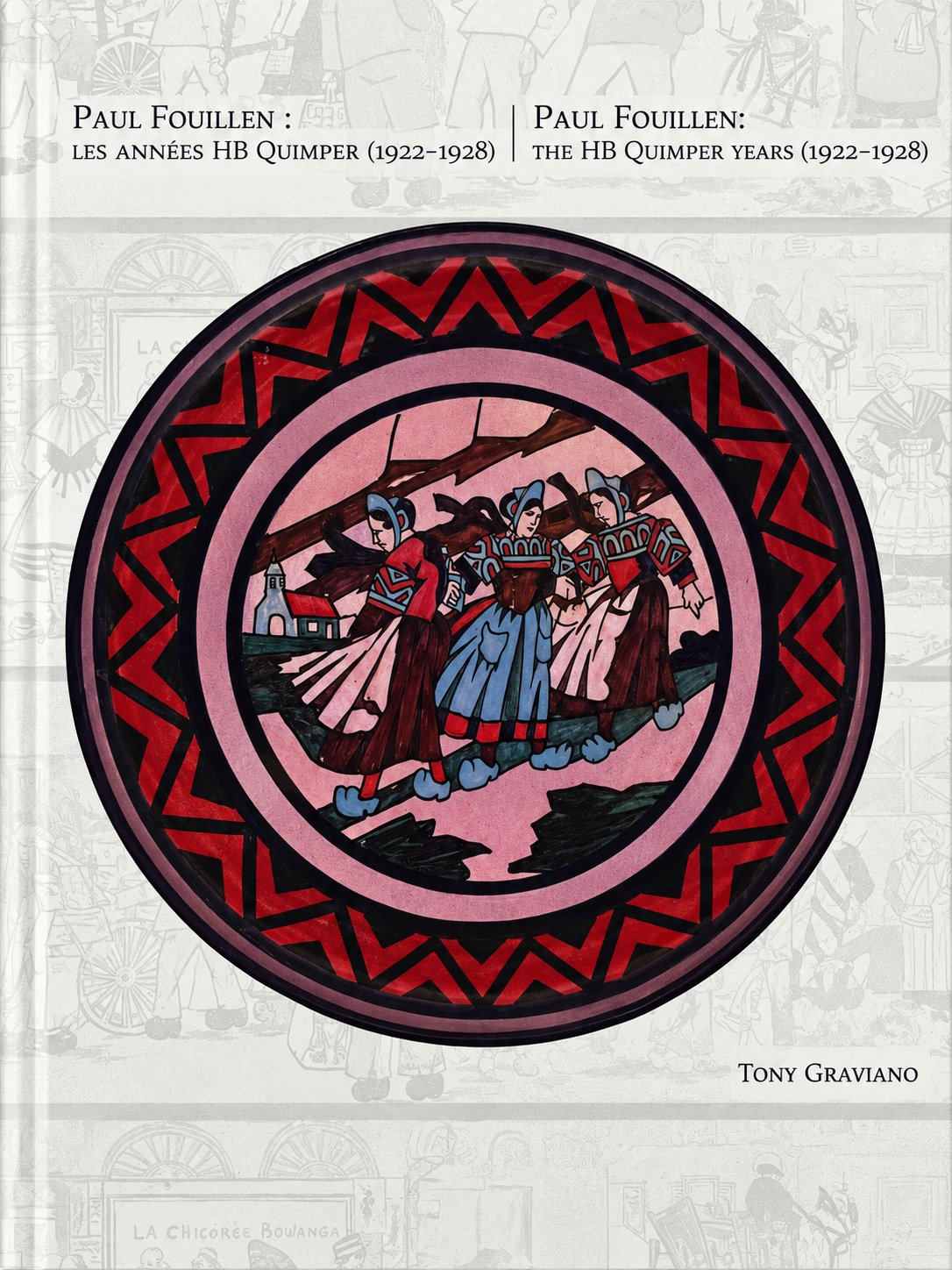
Paul Fouillen: The HB Quimper Years (1922–1928)
Tony Graviano
2018 · Bilingual French-English edition · 224 p.
Study of the HB period and the ceramic production of Paul Fouillen.
Reference ↗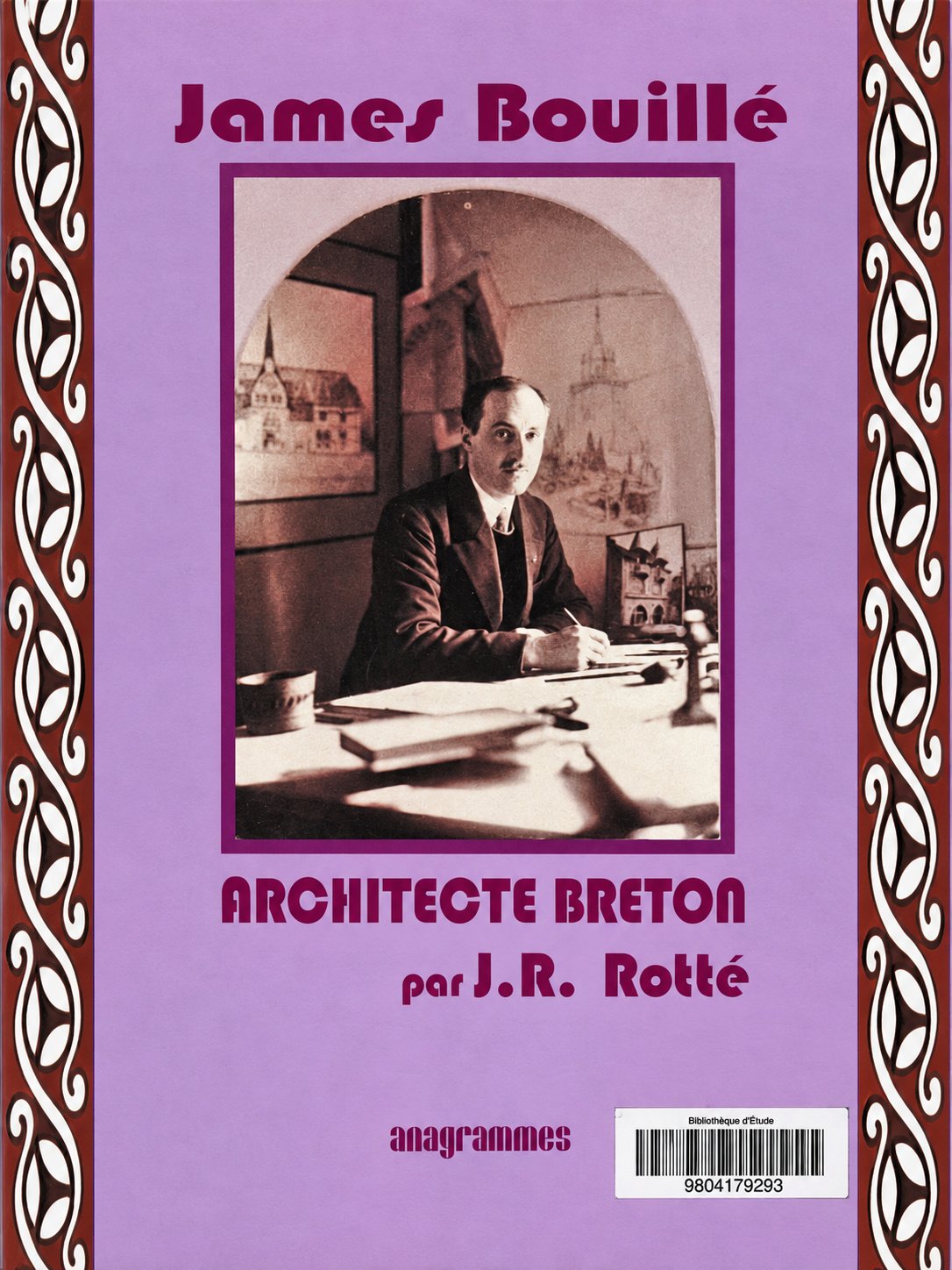
James Bouillé, Breton architect
Jean-René Rotté
Anagrams
Monograph dedicated to the architectural career of James Bouillé.
Reference ↗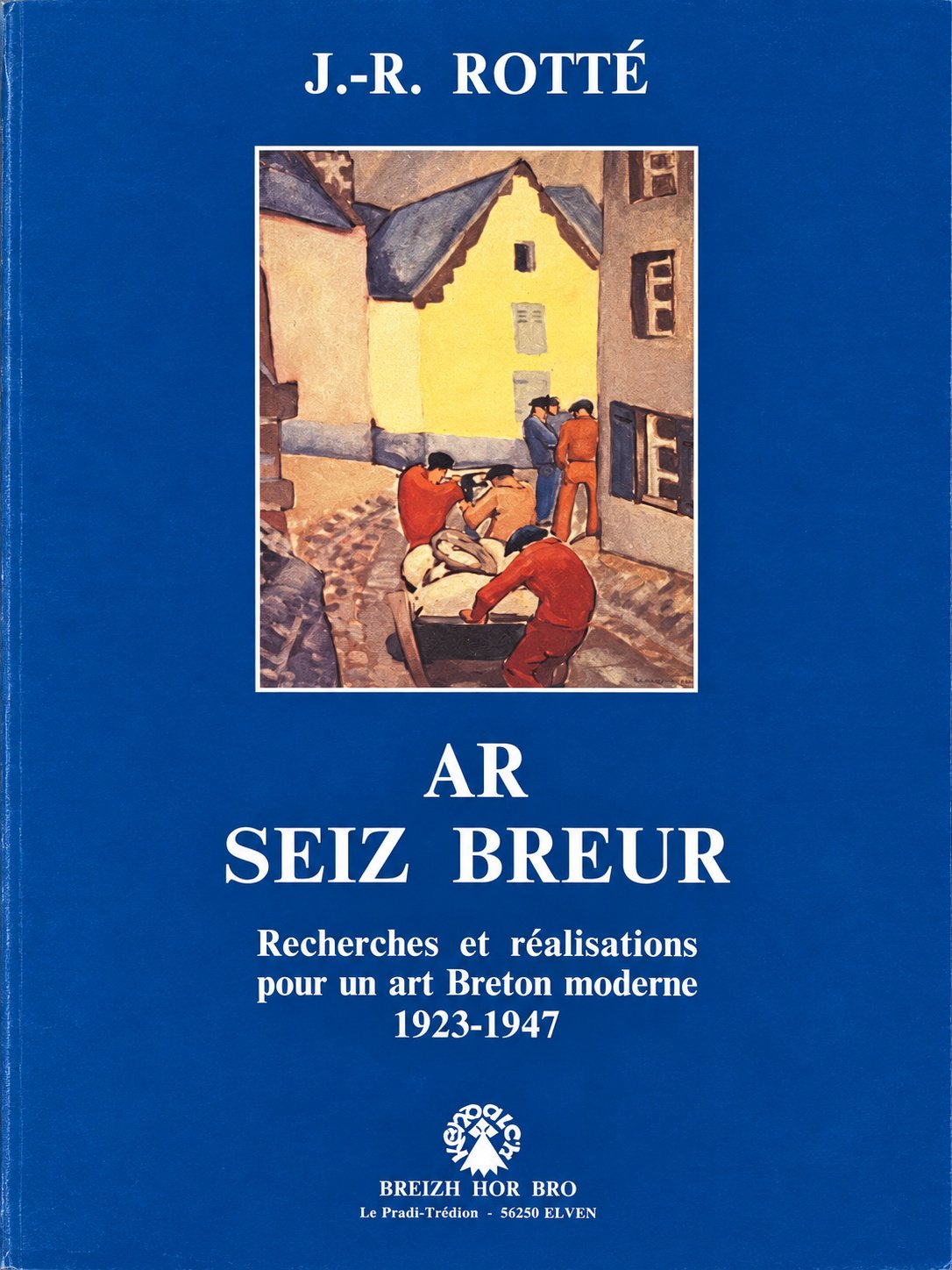
Ar Seiz Breur. Research and achievements for a modern Breton art, 1923–1947
Jean-René Rotté
Breizh Hor Bro, Elven · 1987 · 203 p.
History of the movement and its research in the applied arts.
Reference ↗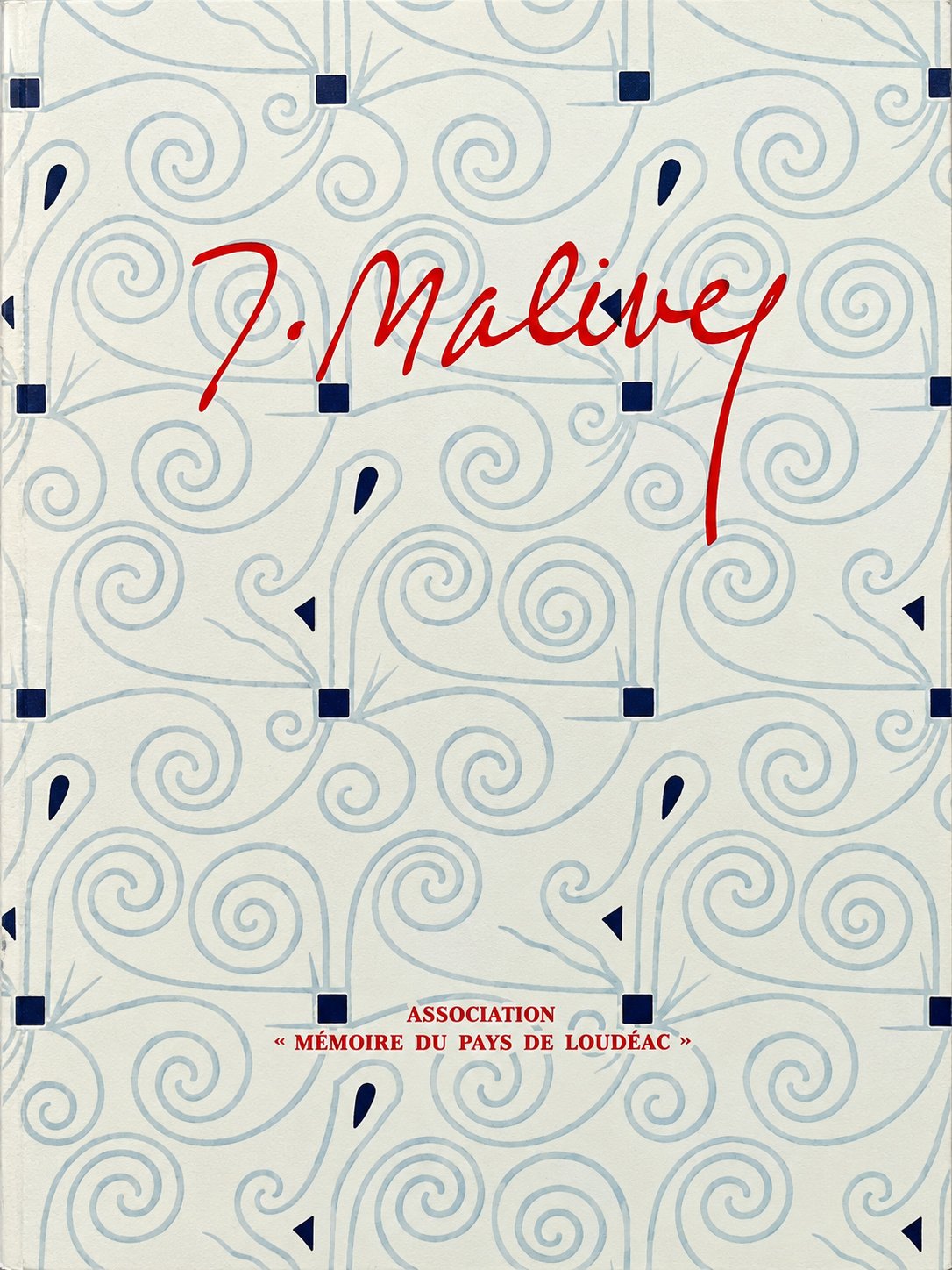
Jeanne Malivel: her work and "The Seven Brothers"«
Octave-Louis Aubert · Preface by Maurice Denis
Association Mémoire du Pays de Loudéac · 1995
Reissue of the 1929 book dedicated to Jeanne Malivel.
Reference ↗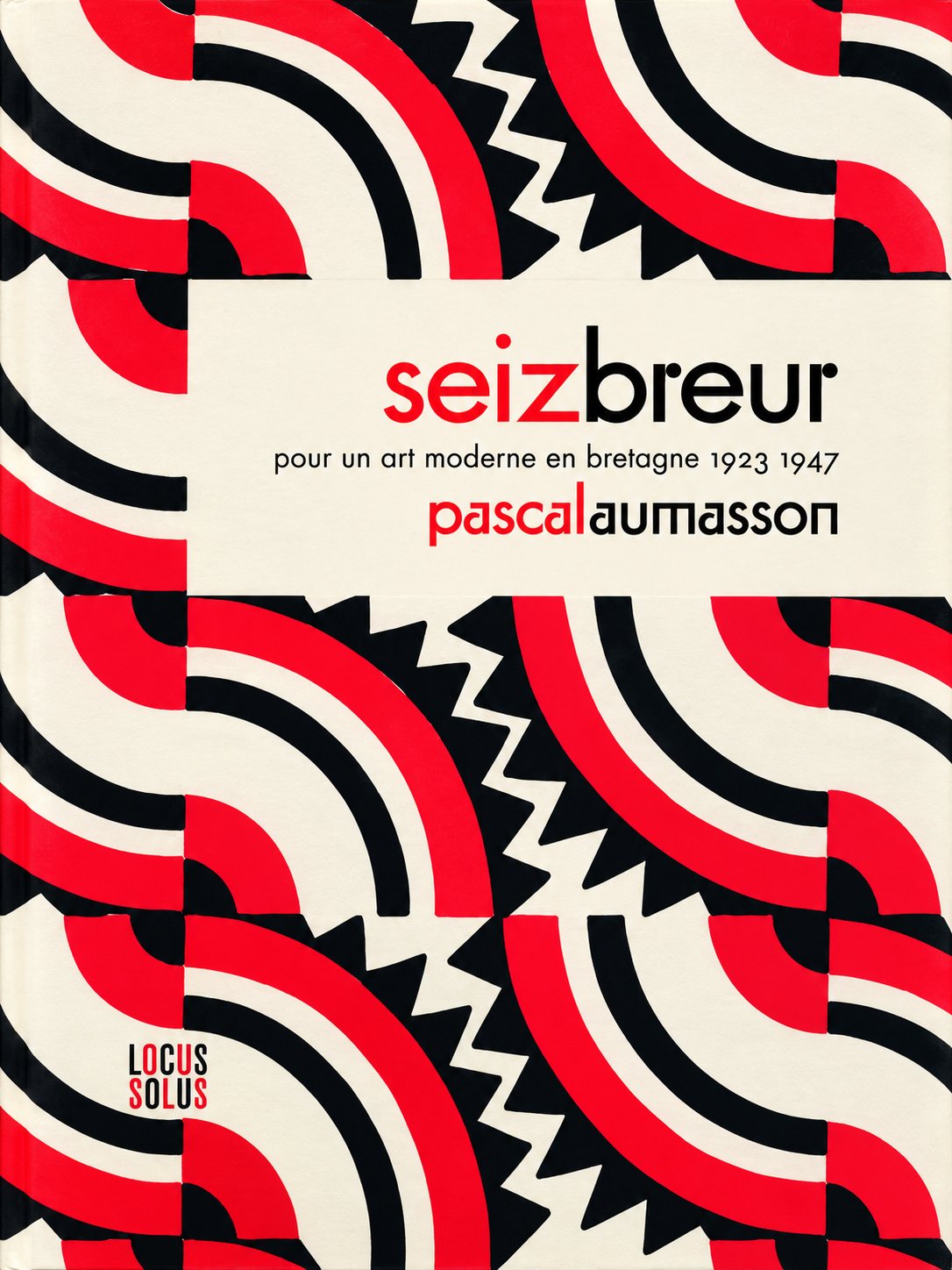
Seiz Breur. For a modern art in Brittany, 1923–1947
Pascal Aumasson
Locus Solus · 2017 · New edition in 2023
An illustrated study of the artists, disciplines and achievements of the movement.
Reference ↗
Xavier de Langlais and Brittany
Denise Delouche (dir.)
Coop Breizh, Spézet · 1999
A collective work on the work of Xavier de Langlais and his Breton roots.
Reference ↗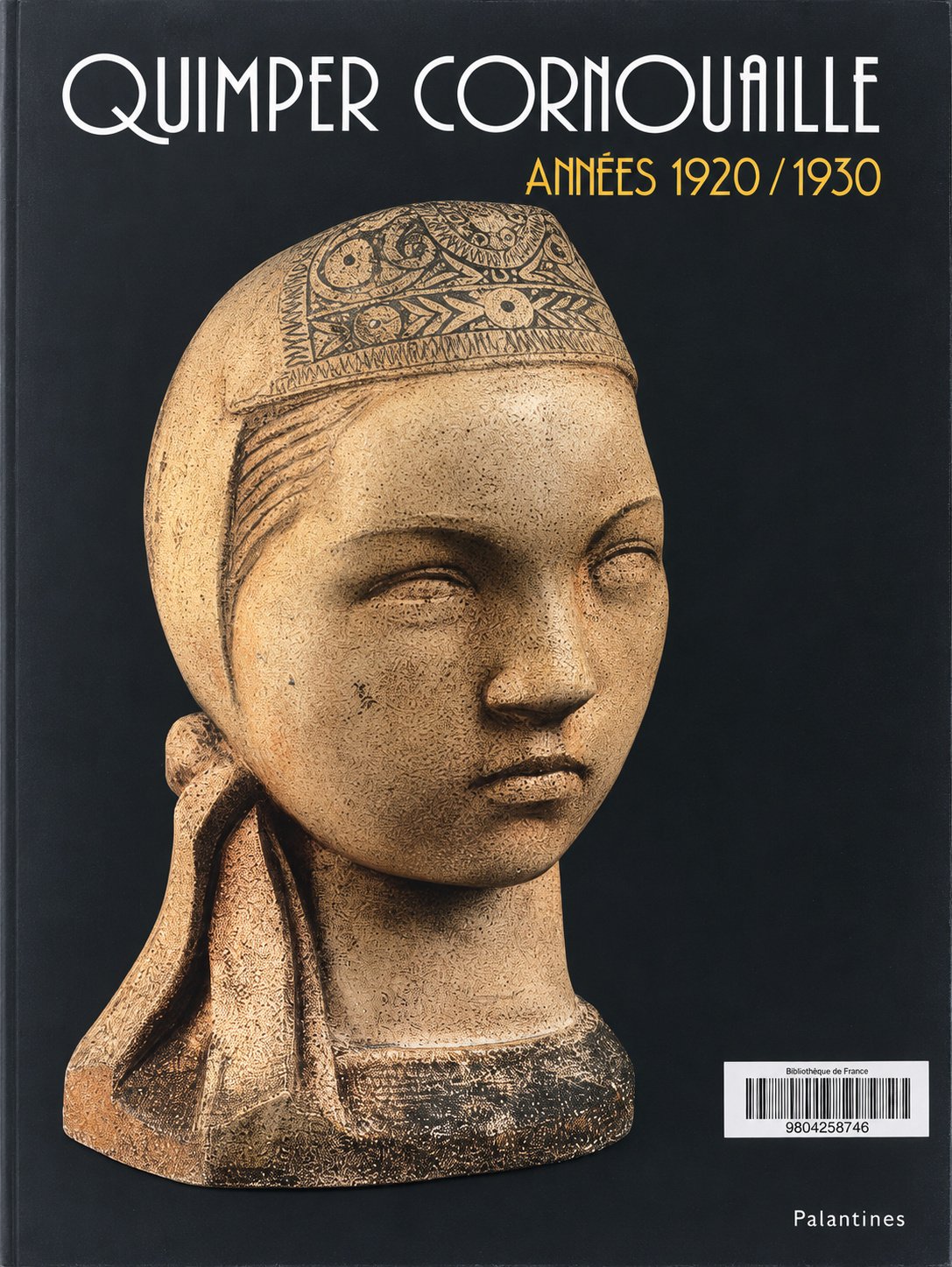
Quimper Cornouaille. 1920s/1930s
Philippe Le Stum (dir.)
Palantines, Quimper · 2010 · 173 p.
Catalogue dedicated to Art Deco in Cornwall: furniture, ceramics and visual arts.
Reference ↗Credits and acknowledgments
Thanks to the authors of the cited works for their research and to the institutions that preserve and document these works: the Museum of Brittany, the Breton Departmental Museum, and the museums mentioned in the entries. Specific credits and collection details are provided for each document.
Photographs of DIZAGN objects are presented as provided. Portraits, book pages, and catalogue documents are from the documentary collection provided for this project. Reproductions: all rights reserved.