
English version
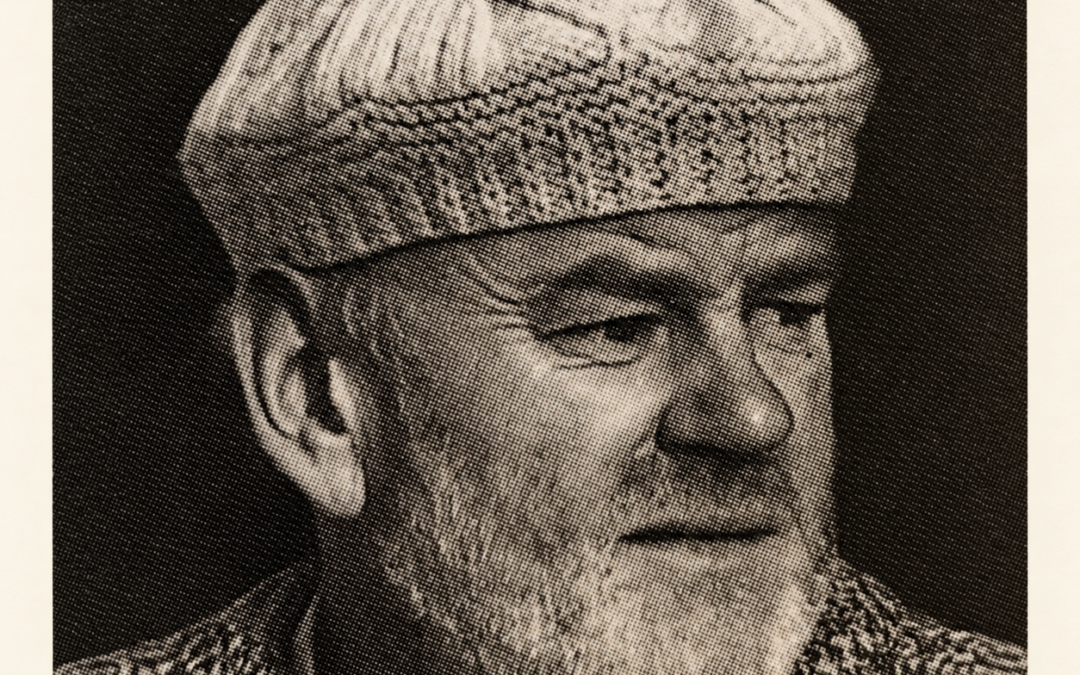
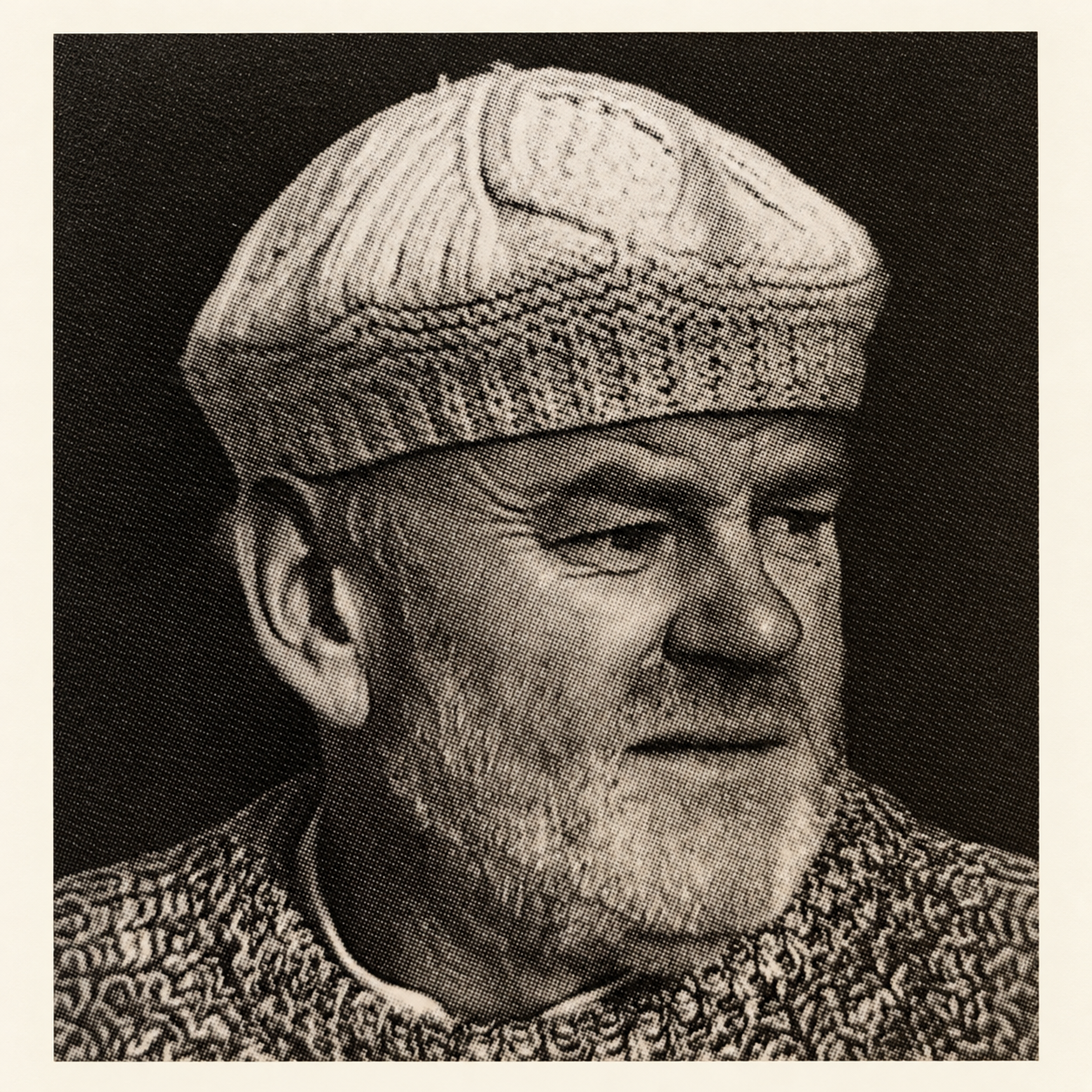
Olivier Mourgue died on 5 October 2026 in Plouguiel, Brittany, at the age of 87. For DIZAGN, his passing has a particular resonance: between 2008 and 2010, I devoted two years of research to Olivier Mourgue’s work as part of a Master’s degree in Art History at Université Paris IV–Sorbonne, under the supervision of Jean-Louis Gaillemin and in direct collaboration with Olivier Mourgue.
The research began with a simple intention: to understand Olivier Mourgue beyond the Djinn series. Very quickly, interviews, archives and encounters revealed a far broader body of work, shaped by investigations into space, habitat, mobility, the body, materials, teaching and a sense of freedom that resists narrow categories.
A first meeting in Brest
The story began in May 2008. I was looking to devote my university research to a French designer of the 1960s. Olivier Mourgue soon became the obvious choice, but I still had to meet him. I learned that Olivier Mourgue had taught at the École des Beaux-Arts in Brest, and a meeting was arranged.
When I arrived at the school, lost among the students, I asked a passing man where I might find Olivier Mourgue. He led me to the studio, then turned around and introduced himself. That first encounter already revealed something essential: humour, freedom, simplicity and a certain distance from his own reputation.
A designer of space, not only of chairs
Olivier Mourgue’s name remains closely associated with Djinn, designed in the mid-1960s for Airborne and later made internationally famous by its appearance in Stanley Kubrick’s 2001: A Space Odyssey. Yet Olivier Mourgue never conceived seating as an isolated object. Chairs, colours, textiles, light and circulation all belonged to the same conception of the environment.
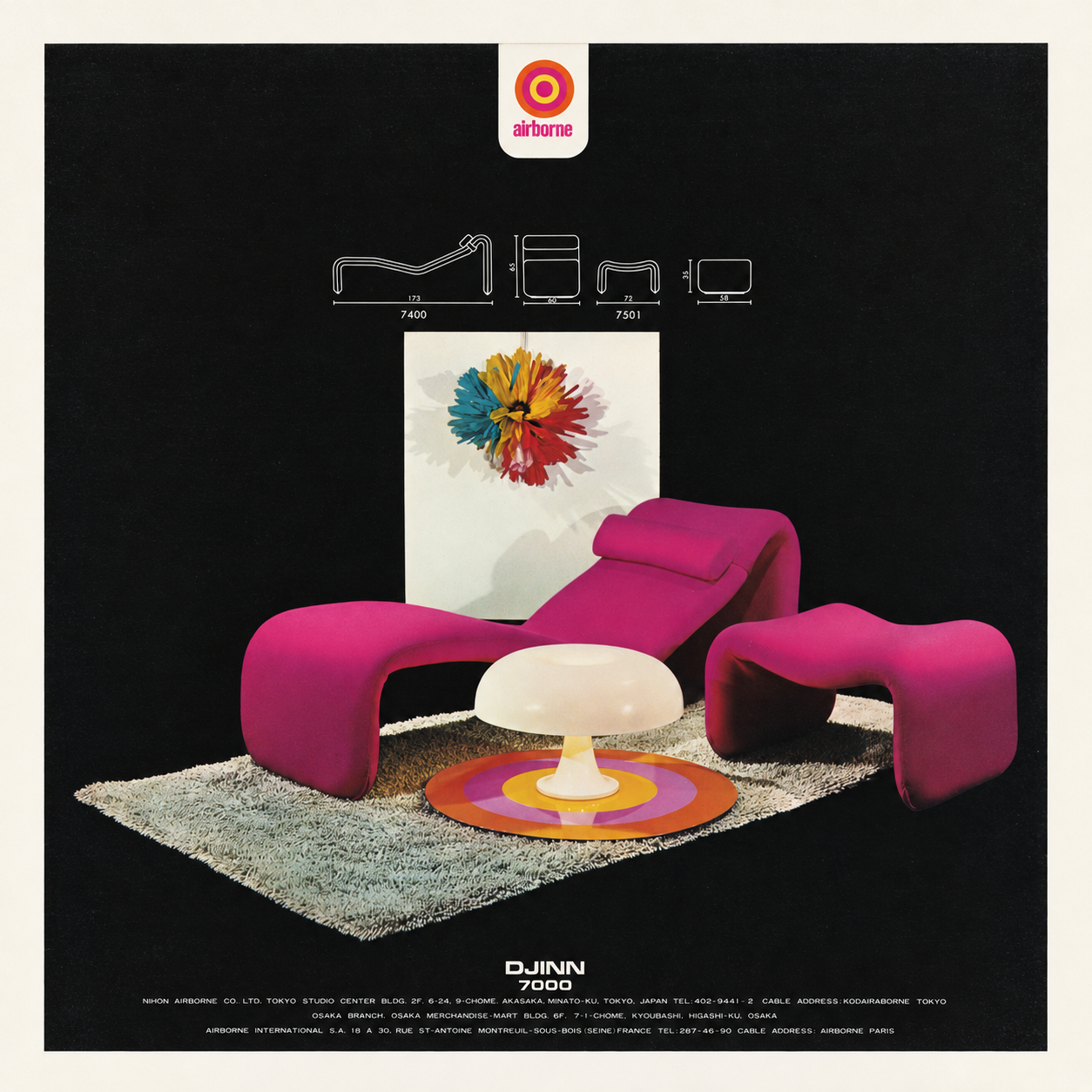
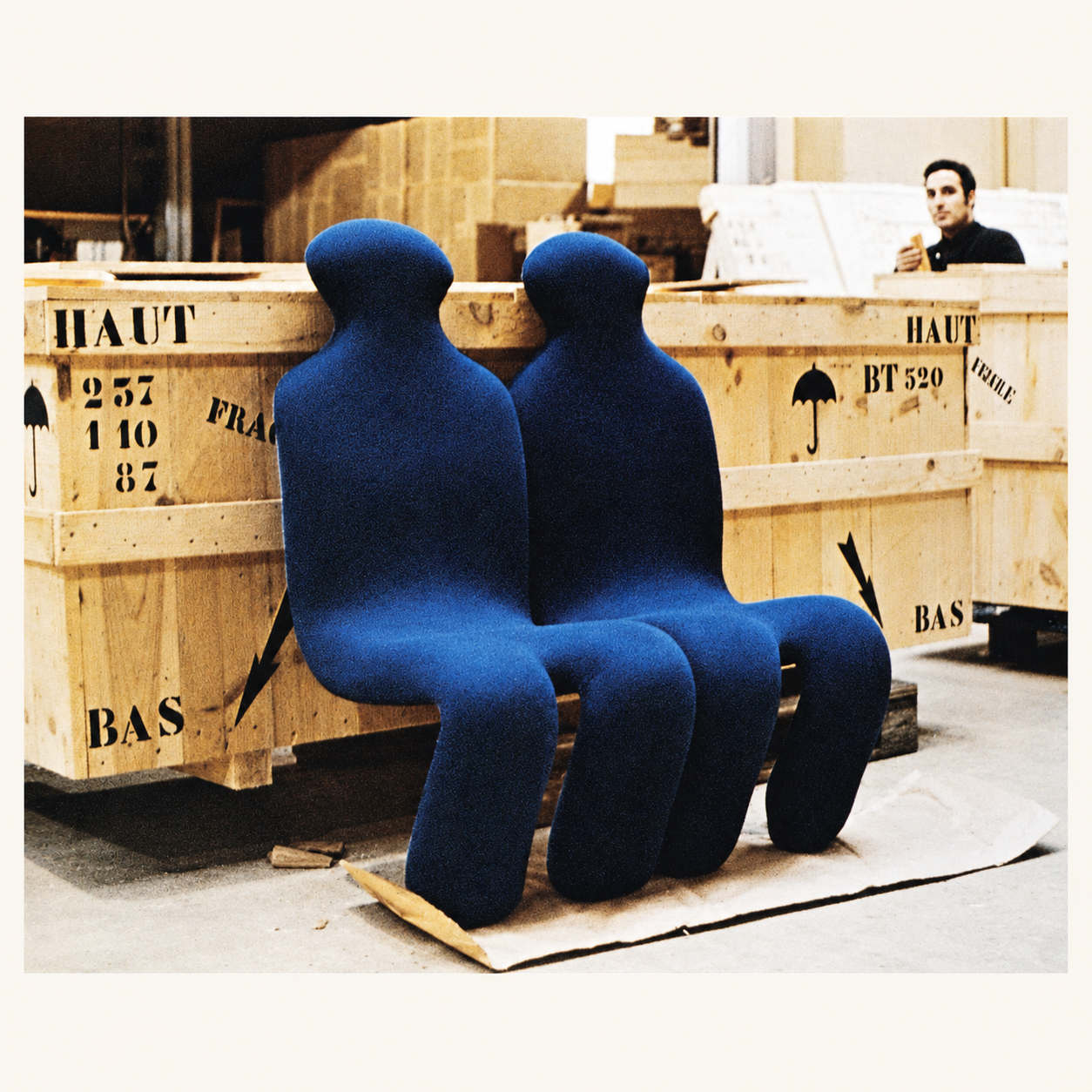
The Djinn series concentrates many of these concerns: light structures, synthetic foam, stretch fabric, low and flexible silhouettes, and mobile elements. Other projects — Montréal, Bouloum, research for the Mobilier national, Prisunic and experimental environments — extended this desire to question the conventions of domestic life.
From furniture to interior landscape
At the turn of the 1970s, Olivier Mourgue pushed this logic further. Conversation areas, experimental apartments, the Cellule Cafétéria and the environments created for Visiona III no longer proposed furniture alone: they created zones of use, atmospheres and interior landscapes. The body moved closer to the floor; one sat lower, reclined, gathered differently. The boundaries between furniture, textile and interior architecture became less distinct.
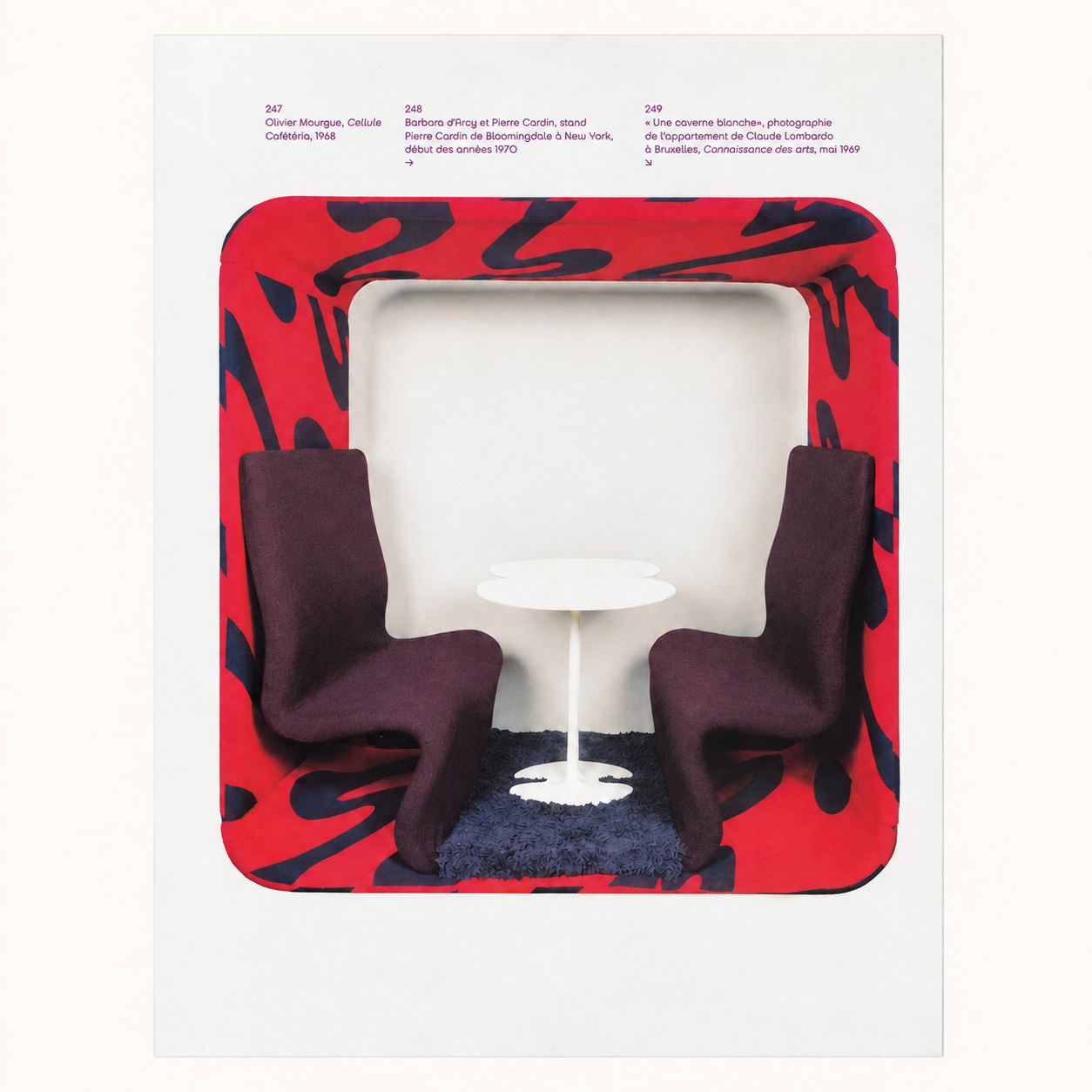
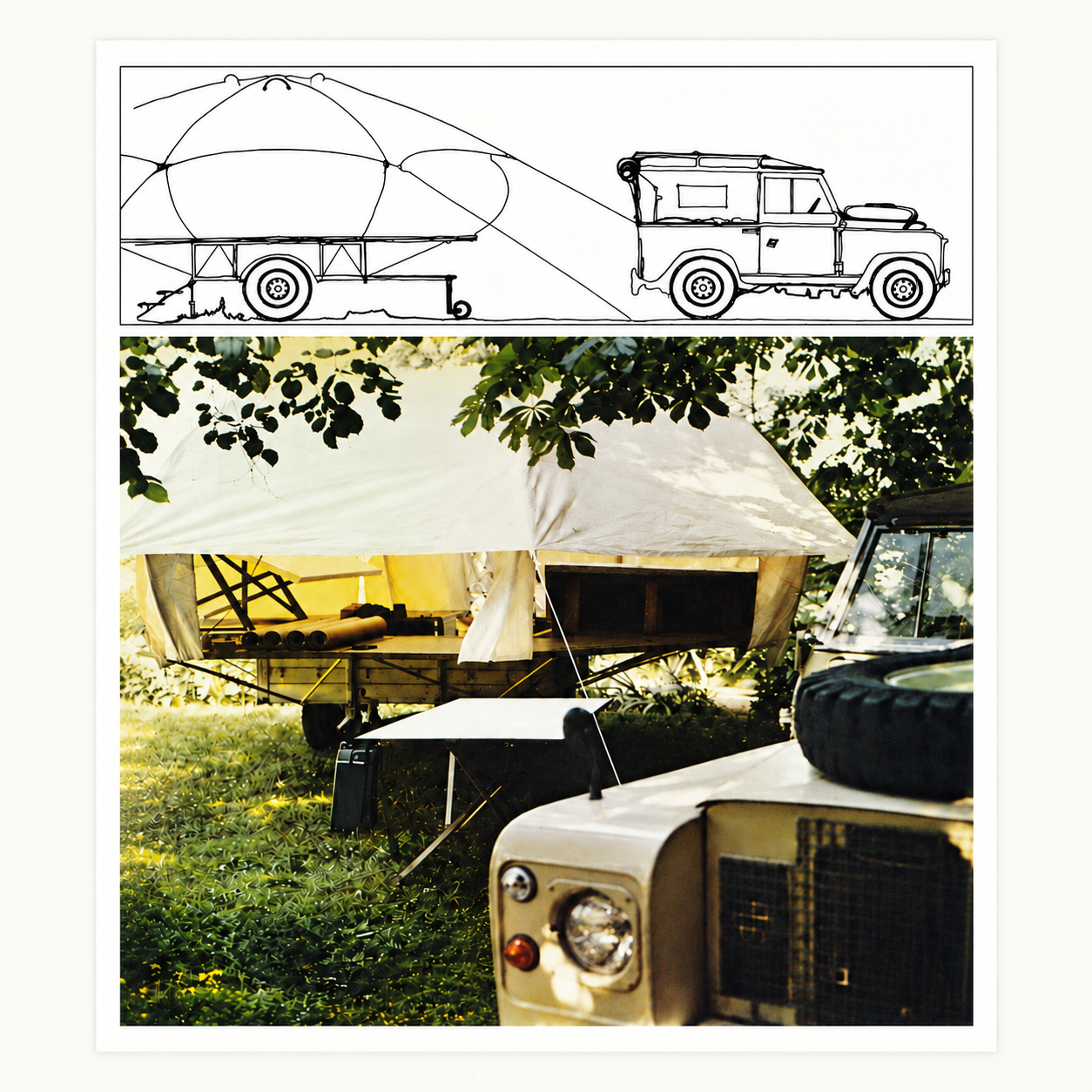
Mobility also became a central theme. Olivier Mourgue imagined mobile workshops, transportable systems, autonomous equipment and projects that questioned the permanence of habitat itself. The object was no longer the final goal: it became a way of asking how we might live differently.
Brittany, art and transmission
Olivier Mourgue’s move to Brittany marked another stage. Teaching, artistic practice and transmission gradually became essential. It was also in Brittany that this university research began, and it is there that Olivier Mourgue’s path intersects, in a more personal way, with the story of DIZAGN.
Former students I met during my research described less a professor handing down formulas than a teacher encouraging them to search, experiment and question what seemed self-evident. This attitude reflects what Olivier Mourgue’s entire body of work reveals: a constant refusal to allow forms to become fixed.
In Search of the Dream
The title of my thesis, In Search of the Dream, has a different resonance today. It did not refer only to the futuristic aesthetic sometimes associated with Olivier Mourgue. It pointed to a deeper investigation: imagining different relationships between the body, space and everyday life.
DIZAGN will continue to make this research, its archives and the documentation gathered around Olivier Mourgue available online. The work began with Olivier Mourgue himself. Continuing it today is a way of paying tribute to his work, but also to the generosity with which Olivier Mourgue opened it to a young researcher.
Olivier Mourgue, 1939–2026.
With gratitude and emotion.
Sources: Thibault Lannuzel, Master II research, Université Paris IV–Sorbonne, 2008–2010, conducted in direct collaboration with Olivier Mourgue; DIZAGN archives and documentation; obituary published by Le Monde, 9 October 2026.