
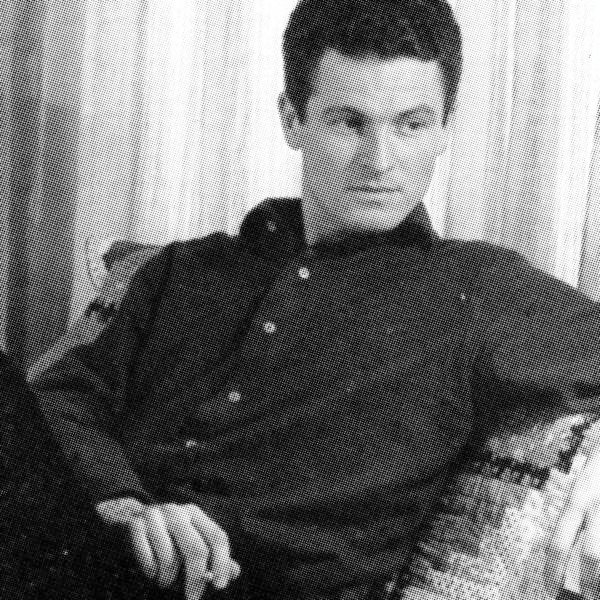
Portrait de Pierre Paulin. Source : Galerie Pascal Cuisinier — droits réservés.
PIERRE PAULIN
1927 — 2009 · DESIGNER FRANÇAIS · MOBILIER · ARCHITECTURE INTÉRIEURE
Pierre Paulin occupies a singular position in the history of 20th-century French design. His work spans nearly half a century, from the rational furniture research of the Reconstruction period to presidential commissions, while encompassing some of the most emblematic forms of 1960s organic design.
Although he remains closely associated with the soft, colourful silhouettes of his seating for Artifort, his career was far broader: serially produced furniture, interior architecture, exhibition design, public commissions and experimental research. A constant links these fields: designing the object from the body outward and placing it within a coherent spatial environment.
BIOGRAPHY
Born in Paris in 1927, Pierre Paulin initially turned towards sculpture. An injury to his arm, however, disrupted this first vocation and helped lead him towards the decorative arts. In 1947 he entered the Centre d’Art et de Techniques, later the École Camondo, where his teachers included Maxime Old. This training gave him a strong knowledge of historical furniture and traditional techniques, but he quickly turned towards the possibilities opened by modernism and industrial production.
After graduating in 1950, Maxime Old recommended that he join Marcel Gascoin’s design office. This experience proved decisive. Paulin encountered the challenges of serially produced furniture, Scandinavian models intended for young households and a generation of designers seeking to renew French domestic interiors. This environment became a formative matrix for post-war French designers.
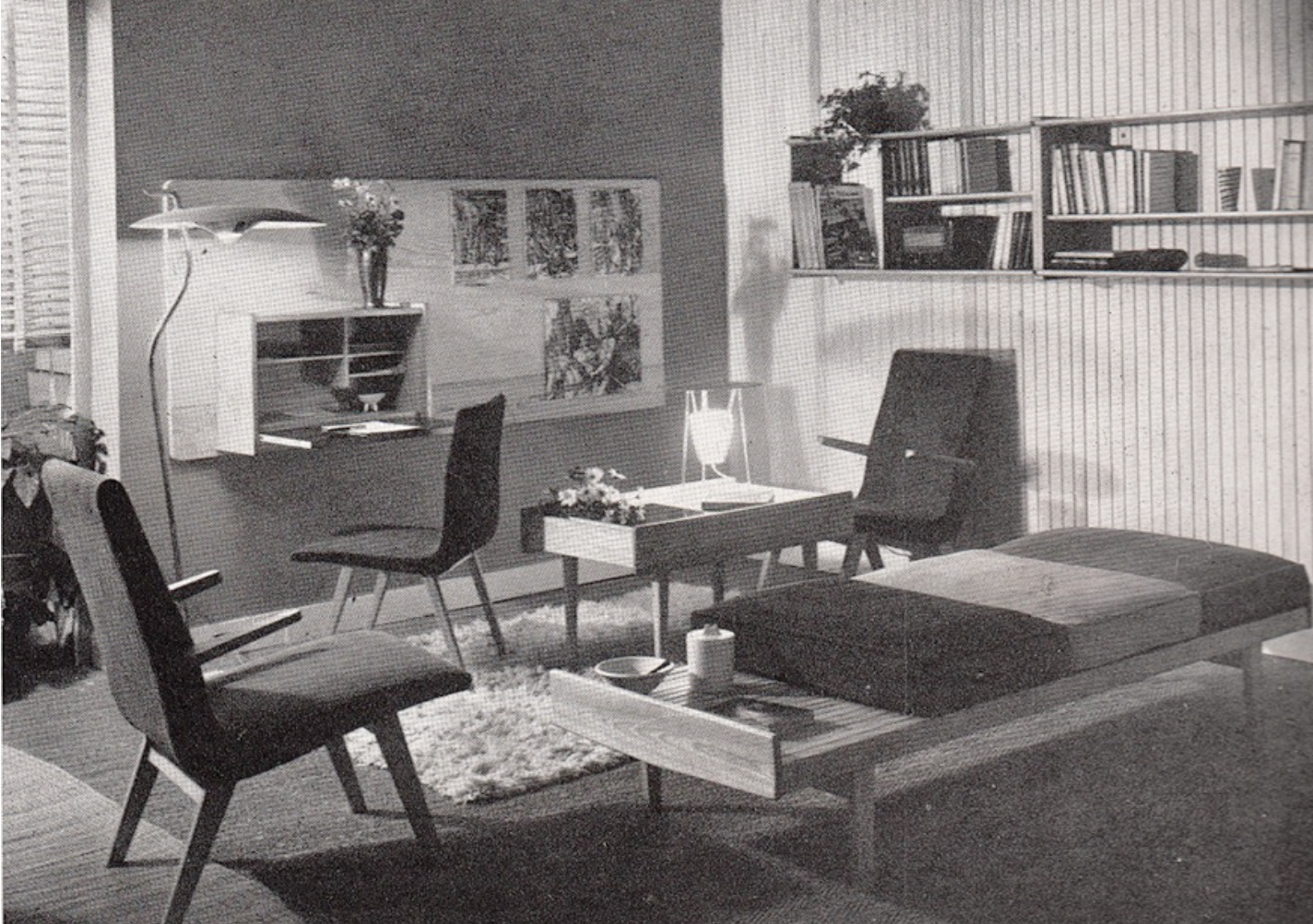
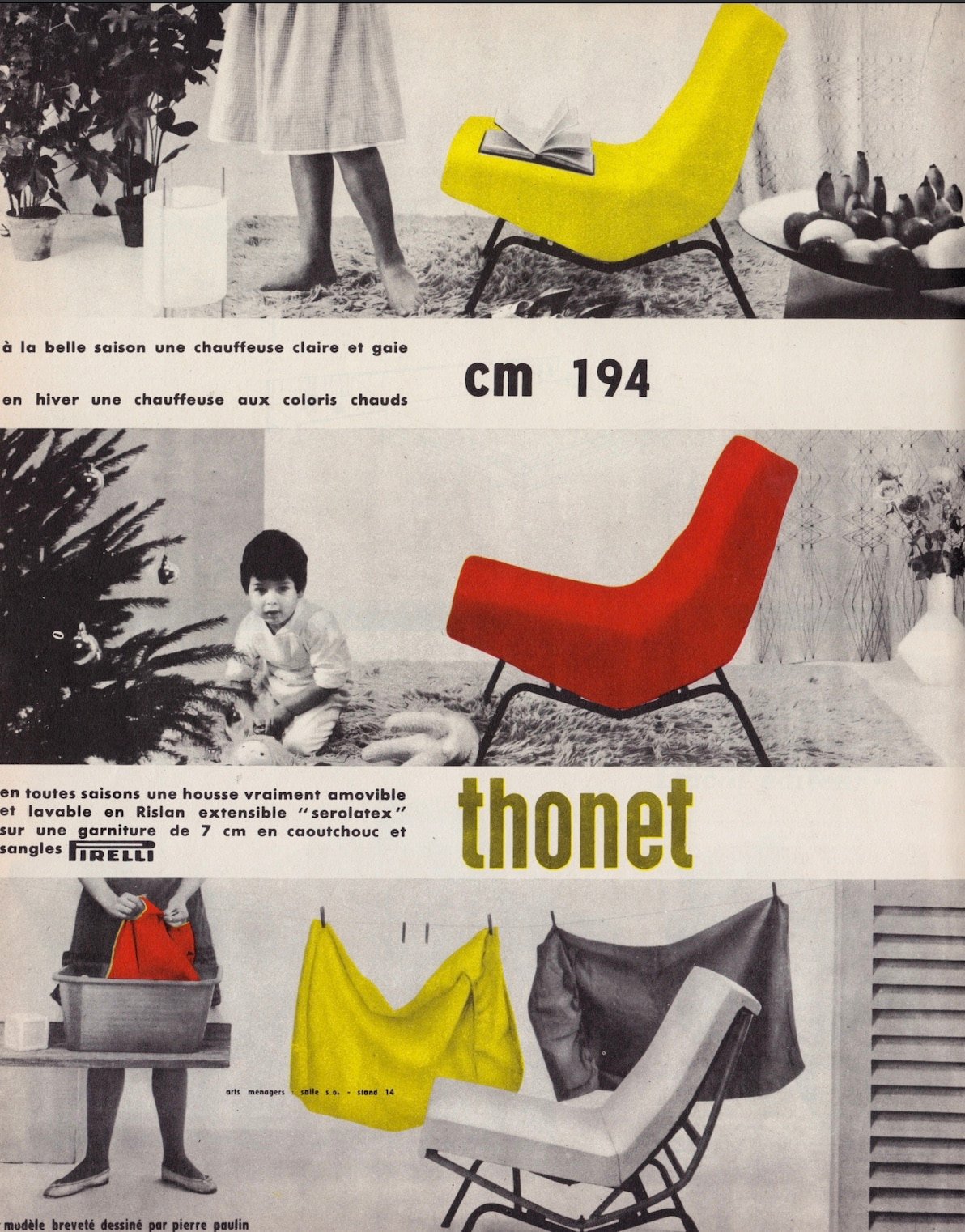
From the early 1950s, Paulin developed his own research. At the 1953 Salon des Arts Ménagers, he presented a domestic furniture ensemble that attracted the attention of Meubles TV. He subsequently collaborated with Thonet France, experimenting with lighter structures and removable covers. Gradually, a central idea in his work emerged: to make the technical structure disappear beneath a continuous, supple form directly adapted to the body.
His encounter with Artifort in the late 1950s opened a new phase. Using metal structures, preformed foams and stretch textiles, Paulin freed seating from traditional construction. Mushroom, Ribbon, Tongue, Groovy and the models that followed were no longer simply armchairs: they became continuous volumes, almost domestic landscapes, in which the body was held within an enveloping geometry.
At the same time, Paulin worked on a more architectural scale. He contributed to museums, cultural venues, commercial interiors and institutions. His collaboration with the Mobilier National and later the Atelier de Recherche et de Création allowed him to explore experimental spatial systems. In 1971, Claude and Georges Pompidou commissioned him to design the private apartments at the Élysée Palace. In 1984, François Mitterrand again called on him to design his presidential office.
These commissions show that Paulin never conceived furniture as an isolated object. Seating, tables, lighting, colour and circulation all formed part of the same environment. This continuity between object and space helps explain the enduring strength of his work and its presence in major international design collections.
ŒUVRE ET LANGAGE FORMEL
Paulin’s formal language is based on curves, continuity and the visual disappearance of structure. Where traditional furniture reveals its construction, he instead sought to create a homogeneous envelope. Stretch textile became a genuine architectural skin, while foam made it possible to produce volumes that conventional upholstery techniques could not achieve.
Yet this organic dimension was never purely decorative. His forms were guided by the movement of the body, posture, flexibility and proximity to the floor. In the 1960s, Paulin thus contributed to a profound transformation of the very idea of domestic comfort.
ÉDITEURS ET COLLABORATIONS
Meubles TV · Thonet France · Artifort · Disderot · Mobilier National / A.R.C. · Ligne Roset · collaborations with Marcel Gascoin, Georges Christin and numerous architects and institutions.
CHRONOLOGIE SÉLECTIVE
1927 — naissance à Paris · 1947 — entrée au Centre d’art et de techniques · 1950 — diplôme et passage chez Marcel Gascoin · 1953 — Salon des Arts ménagers · 1958–1959 — début de la collaboration avec Artifort · 1964–1967 — F300, Ribbon, Tongue et autres recherches emblématiques · 1968 — collaboration renforcée avec le Mobilier national · 1971 — appartements privés de l’Élysée · 1984 — bureau présidentiel de François Mitterrand · 2009 — décès.
BIBLIOGRAPHIE SÉLECTIVE
Cloé Pitiot (dir.), Pierre Paulin, Éditions du Centre Pompidou, 2016 · La collection de design du Centre Georges Pompidou, Centre Pompidou, 2001 · Galerie Pascal Cuisinier, documentation devoted to Pierre Paulin’s early period · Artifort archives and documentation.
COLLECTIONS PUBLIQUES
Centre Pompidou / Musée National d’Art Moderne · Mobilier National · Musée des Arts Décoratifs, Paris · Museum of Modern Art, New York · Victoria and Albert Museum, London, as well as several international museum collections.
FORMES UTILES GENERATION
Pierre Paulin is one of the eleven designers examined in the doctoral research Génération Formes Utiles de Thibault Lannuzel, consacrée au design français de 1945 à 1973.
Les documents ci-dessous sont issus du corpus étudié dans la thèse et des fonds d’archives qu’elle référence.
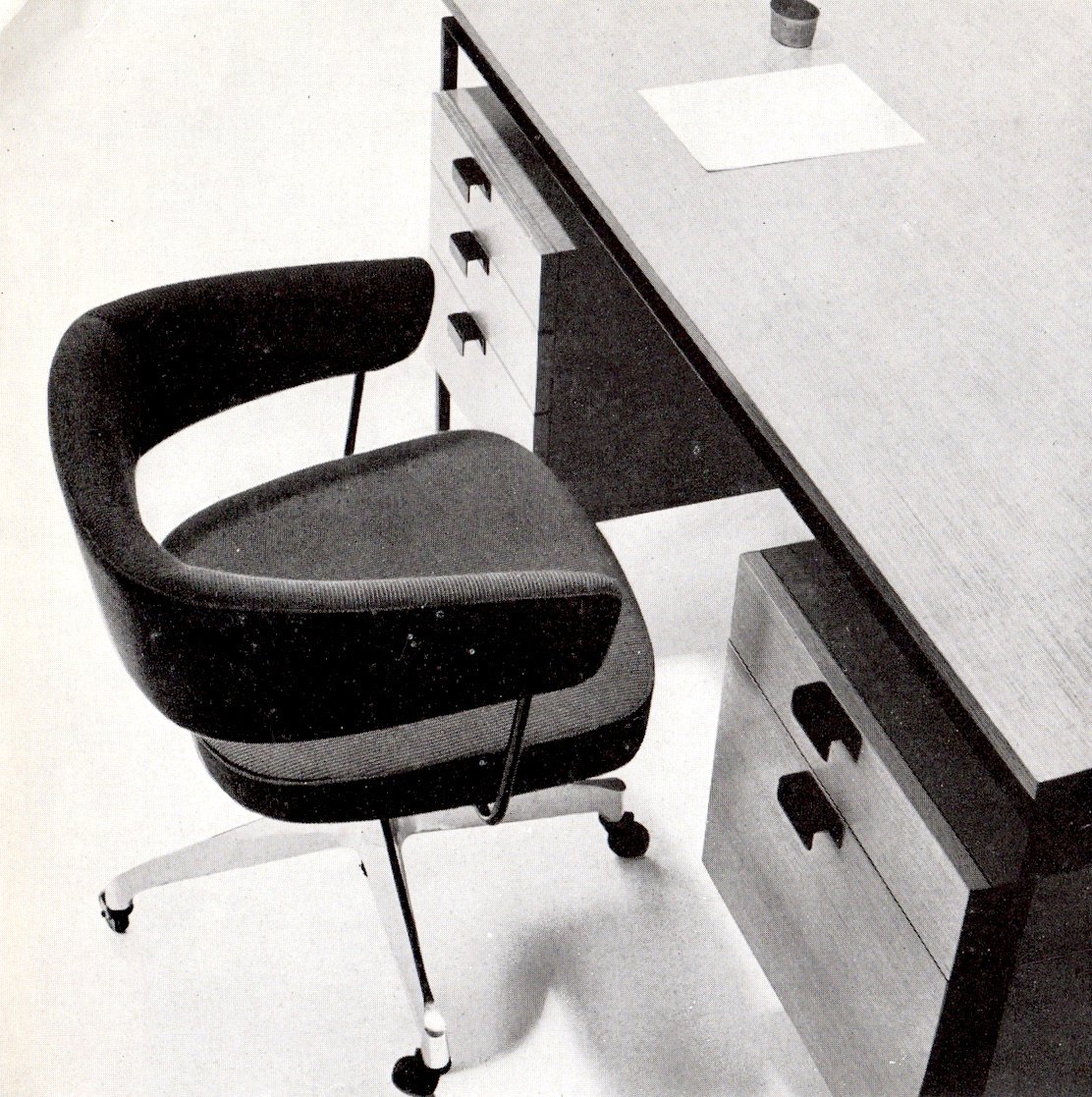
DOCUMENTS D’ÉPOQUE — SÉLECTION
PIERRE PAULIN AT DIZAGN
ŒUVRES DISPONIBLES
ARCHIVES DIZAGN — ŒUVRES VENDUES
Pièces déjà passées par DIZAGN et conservées en ligne à titre documentaire.
-
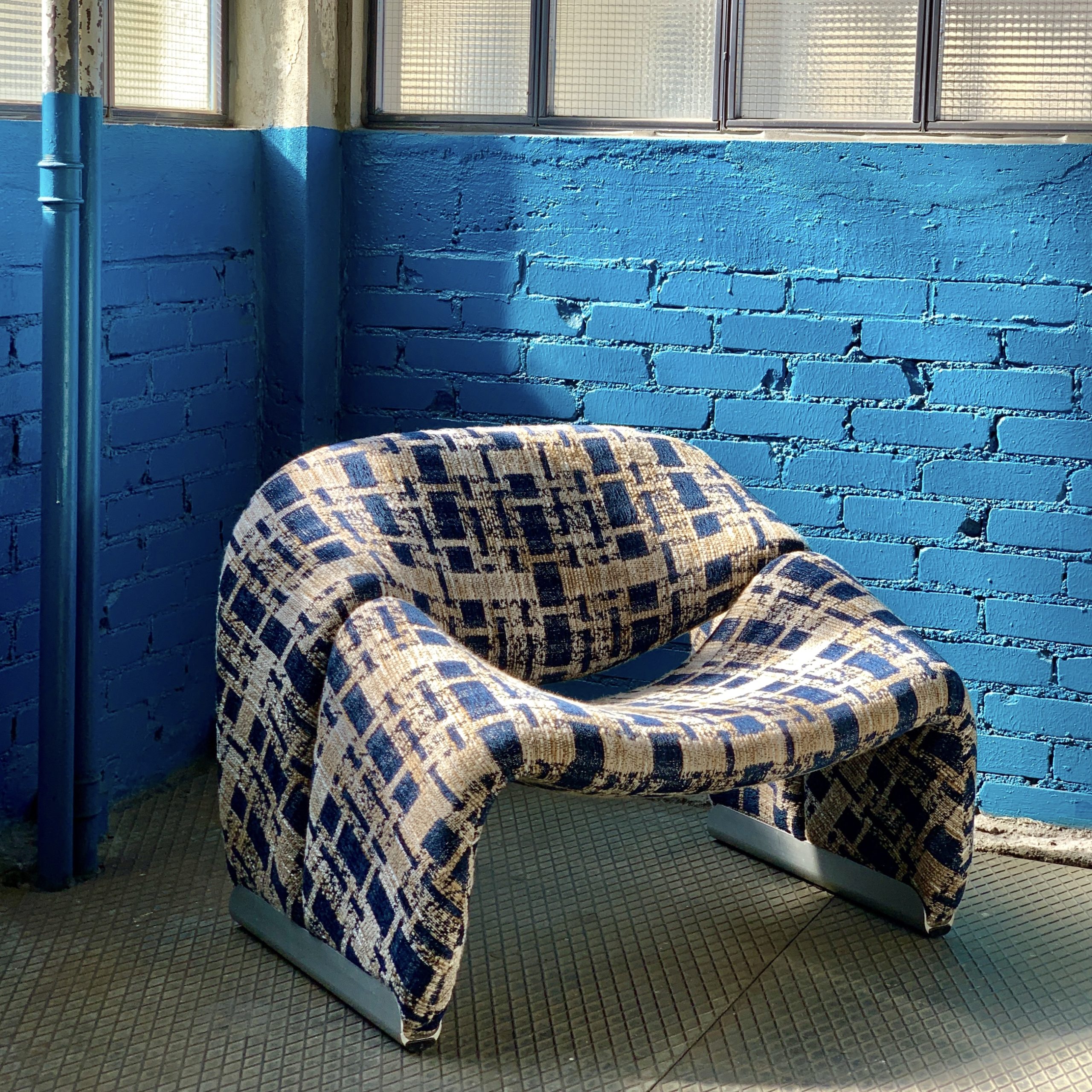
PIERRE PAULIN, GROOVY ARMCHAIR, ARTIFORT ED, C.1964
-
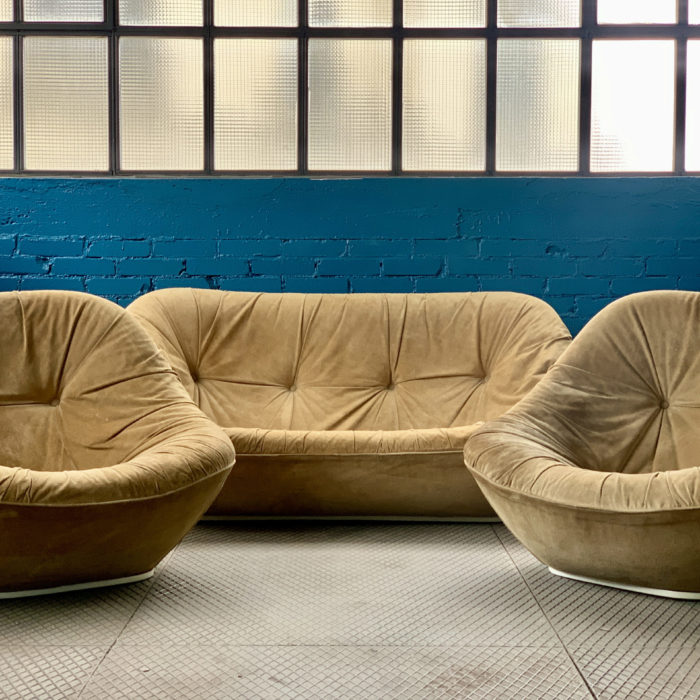
PIERRE PAULIN SET F500, ARTIFORT ED., C.1975
-
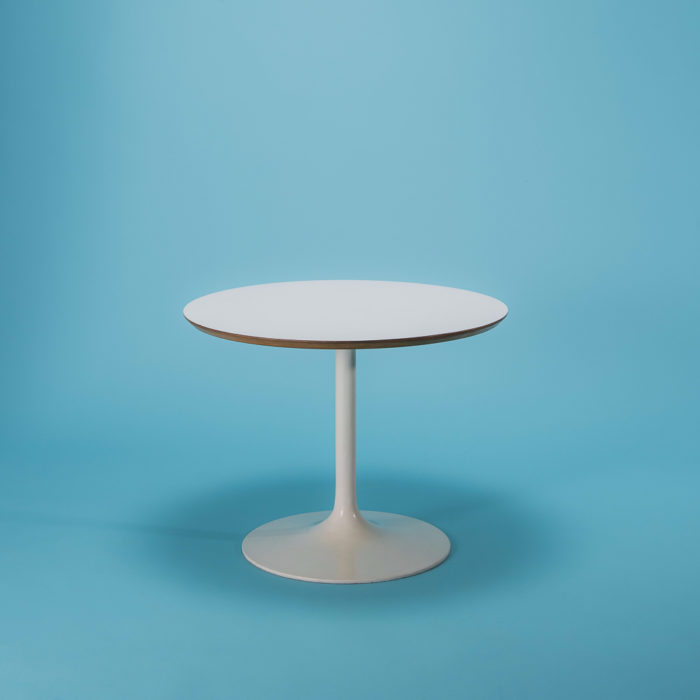
PIERRE PAULIN, SIDE TABLE T830, ARTIFORT ED., C.1966
-

PIERRE PAULIN, Model 557 Tongue Lounge Chair, Artifort Edition, 1967
2800 € -
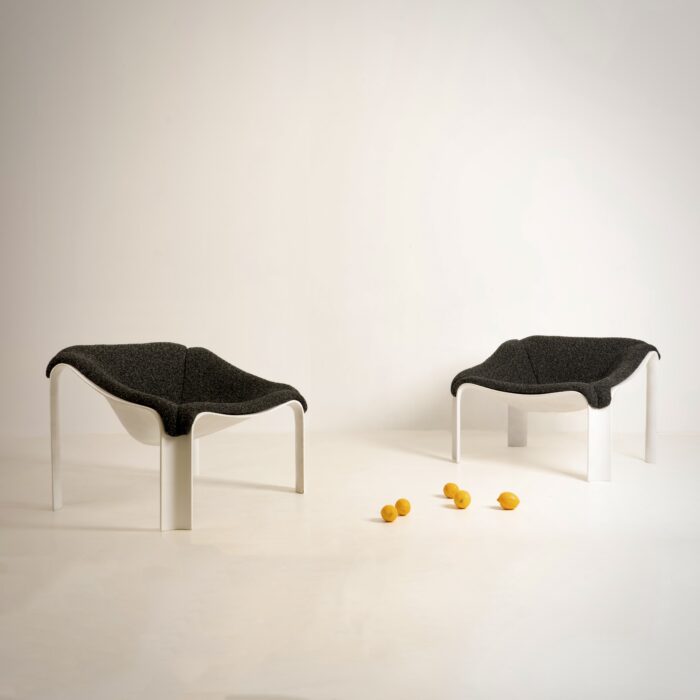
PIERRE PAULIN, Pair of F300 Armchairs, Artifort Edition, 1964
5800 € -
 NEW
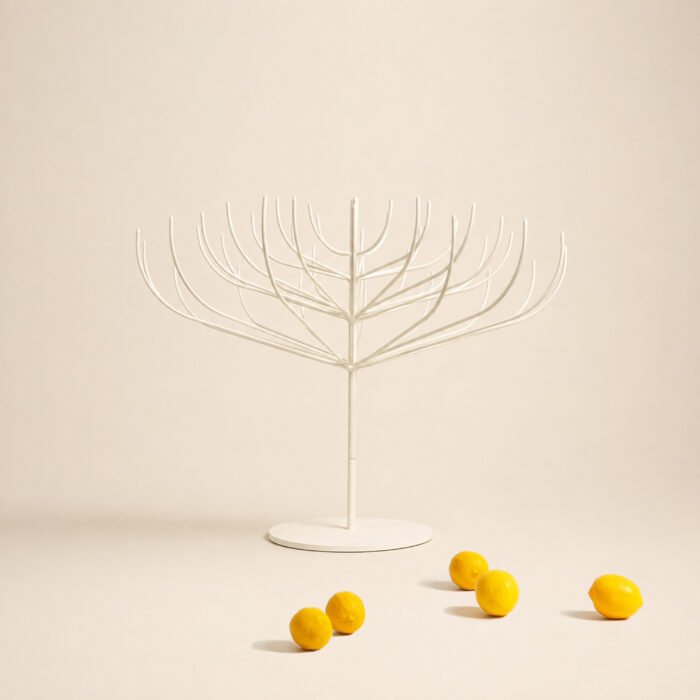
NEWPIERRE PAULIN, Model 1024 Chandelier, Disderot Edition, circa 1958
5500 €
Expertise DIZAGN → Thibault Lannuzel →
Main sources: Centre Pompidou; Galerie Pascal Cuisinier; DIZAGN documentation. Portrait reproduced with a rights-reserved notice pending final clarification of reproduction rights.